

The year 2026 will mark a before and after in the daily lives of millions of people. From housing and mobility to consumption and waste management, sustainability will cease to be a personal choice and become a regulated reality. These are the main challenges we will face as citizens and how Biosphere Certified entities help respond to them.

2026, when sustainability stops being a choice and becomes part of everyday life.
For the average person, the year 2026 will not be defined by grand speeches or abstract concepts, but by very concrete changes in daily life. Sustainability will no longer be an optional practice tied to responsible consumption but a regulated reality, with economic, fiscal, and social implications.
From how we heat and cool our homes to how we move around the city, how we manage our waste, or what products we buy, the European sustainability agenda will land directly in households. In this new scenario, trusting entities and services certified under recognized standards like Biosphere Certified will be key to making informed and responsible decisions.
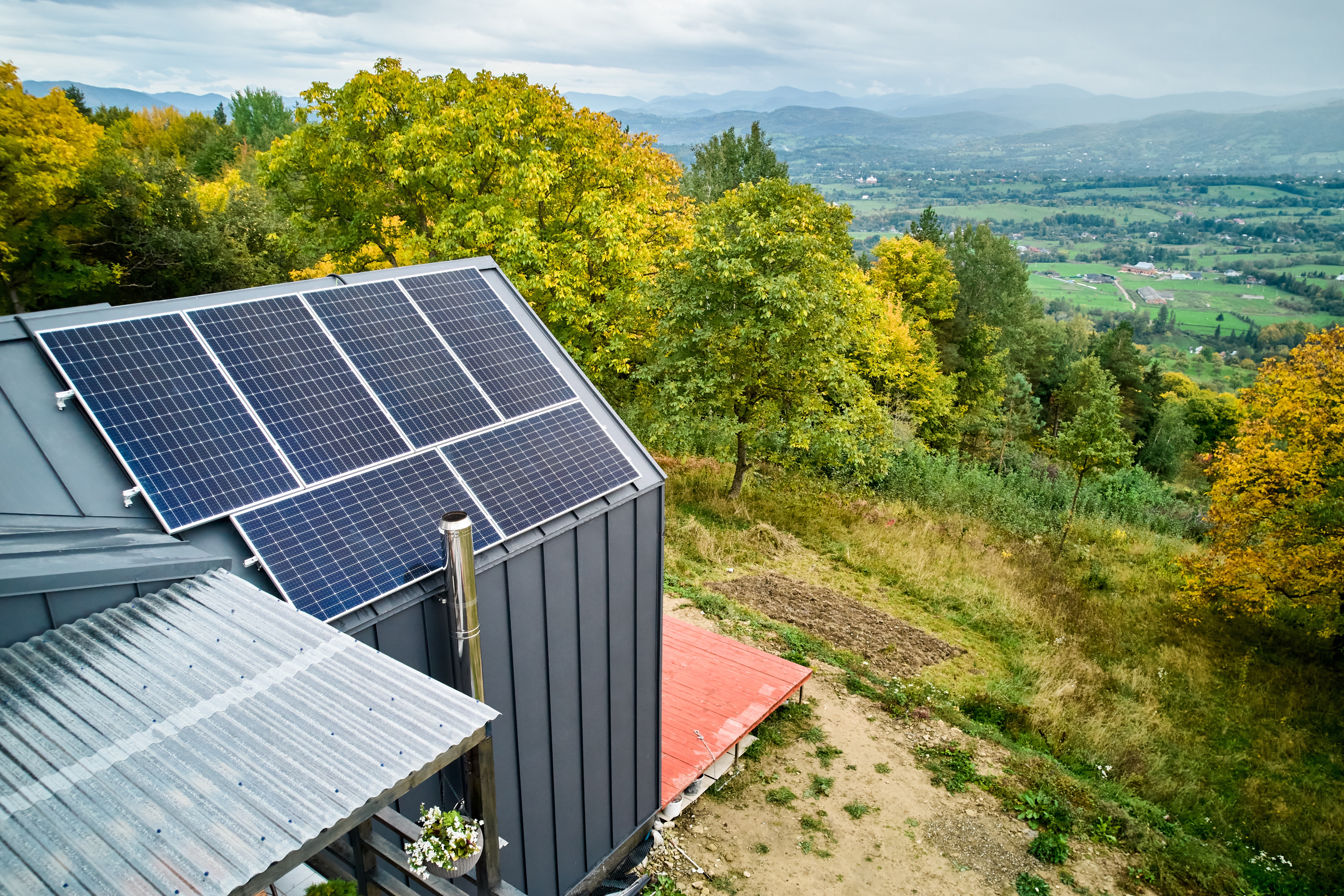
Energy efficiency at home. The new standard of sustainable living. Efficient homes or loss of heritage value.
Housing will be one of the main transformation focal points in 2026. The European Energy Performance of Buildings Directive (EPBD) will drive the transition toward zero‑emission buildings, shifting regulatory pressure onto both homeowners and tenants.
Biosphere’s role.
Choosing Biosphere Certified accommodations, service companies, and professionals ensures that they meet criteria for energy efficiency, emissions reduction, and continuous improvement, offering solutions aligned with the energy transition and citizen well‑being.
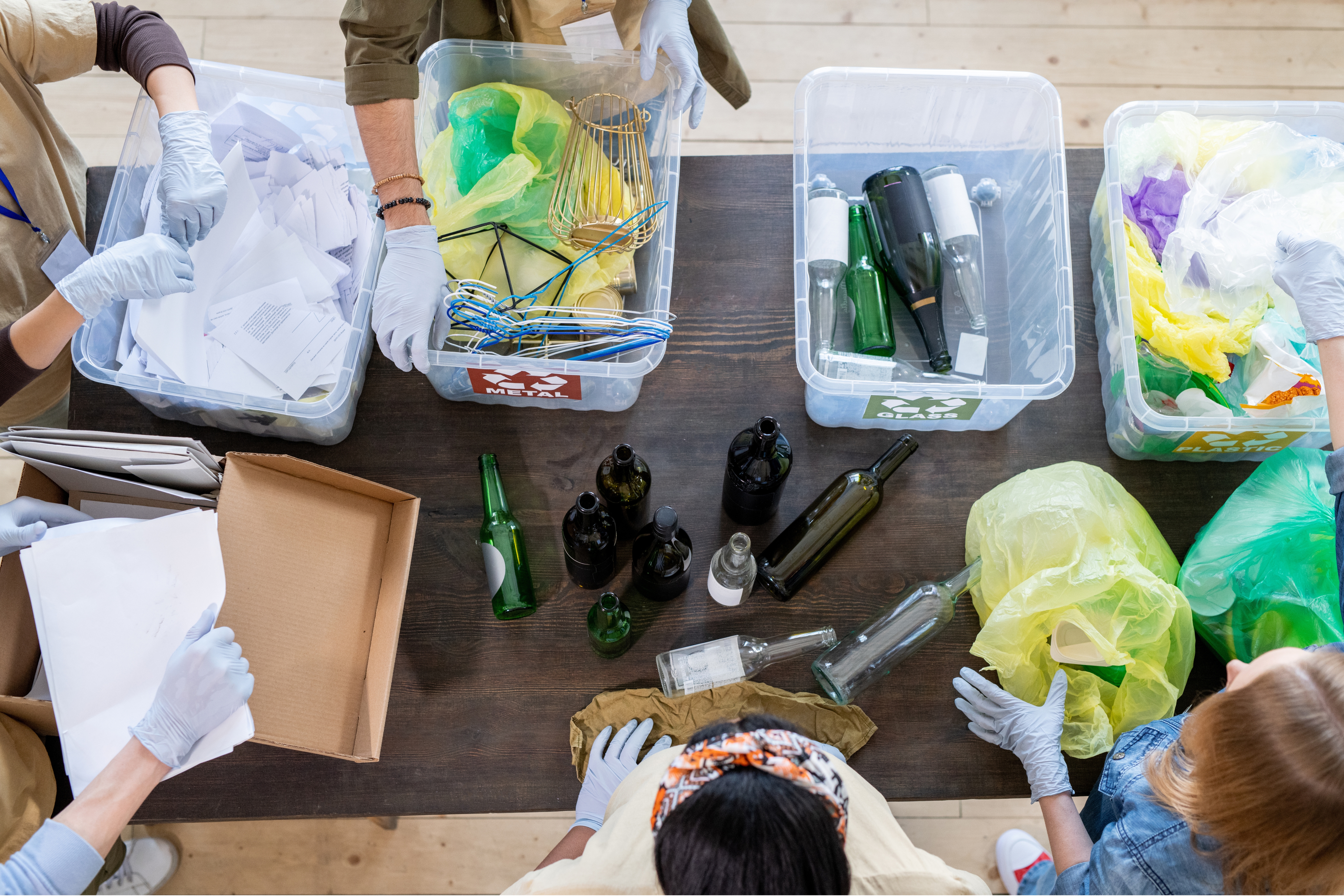
Waste and responsible consumption: pay for what you generate. The new waste fee and the end of “throwing without thinking.”
One of the most visible and financially noticeable changes will be the widespread implementation of the “pay‑as‑you‑generate” principle, which will result in:
- The end of fixed trash fees and higher costs for those who generate more waste.
- Mandatory and precise waste separation to avoid fines or increased bills.
- Progressive implementation of the Deposit Return System (DRS), which will change how we manage beverage containers.
The Biosphere approach.
Biosphere Certified entities promote real circular economy models, effective waste reduction and recycling, and citizen awareness, facilitating more sustainable habits in line with new regulations.

Right to repair. A cultural shift in sustainable consumption. Repair before replacing.
In the European Union, beginning in 2026, the European Right to Repair Directive will come fully into force, requiring manufacturers to offer viable repairs at reasonable prices after the warranty period.
This will mean:
- More information and decision‑making power for consumers.
- Access to a European repairer platform.
- A cultural challenge: breaking the logic of “use and throw away.”
Biosphere and responsible consumption.
Many Biosphere Certified entities, through their sustainability‑oriented activities and actions, promote product durability, repair, and reduced environmental impact, aligning their activity with more conscious and sustainable consumption.

Sustainable mobility. Real restrictions and new decisions. Low‑emission zones and the future of urban transport.
More municipalities have decided to establish low‑emission zones as part of measures to reduce pollution from urban transport. Beyond the controversy that will continue in 2026 around moratoriums on Low Emission Zones (LEZs), thousands of citizens will face:
- Strict restrictions for vehicles without an environmental badge or with a B label.
- Fines and access limitations to urban areas.
- The need to choose between an electric vehicle, public transportation, or shared mobility.
Biosphere’s response.
Members of the Biosphere community incorporate sustainable mobility criteria into their action plans, promoting low‑impact alternatives, responsible transportation use, and urban planning aligned with health and air quality.

Informed consumption. The end of greenwashing. New labels and real transparency.
Thanks to European regulations against greenwashing, in 2026 many misleading environmental labels will disappear. In their place, systems like the Digital Product Passport (DPP) will arrive, especially in sectors like textiles and electronics.
The citizen’s challenge will be learning to interpret verified information—understanding the real impact, durability, and origin of what they consume.
Trust and Biosphere certification.
The Biosphere Certified label, awarded by the Responsible Tourism Institute (ITR), serves as a clear and understandable reference, helping citizens identify entities committed to real, measurable sustainability aligned with the United Nations Sustainable Development Goals (SDGs).
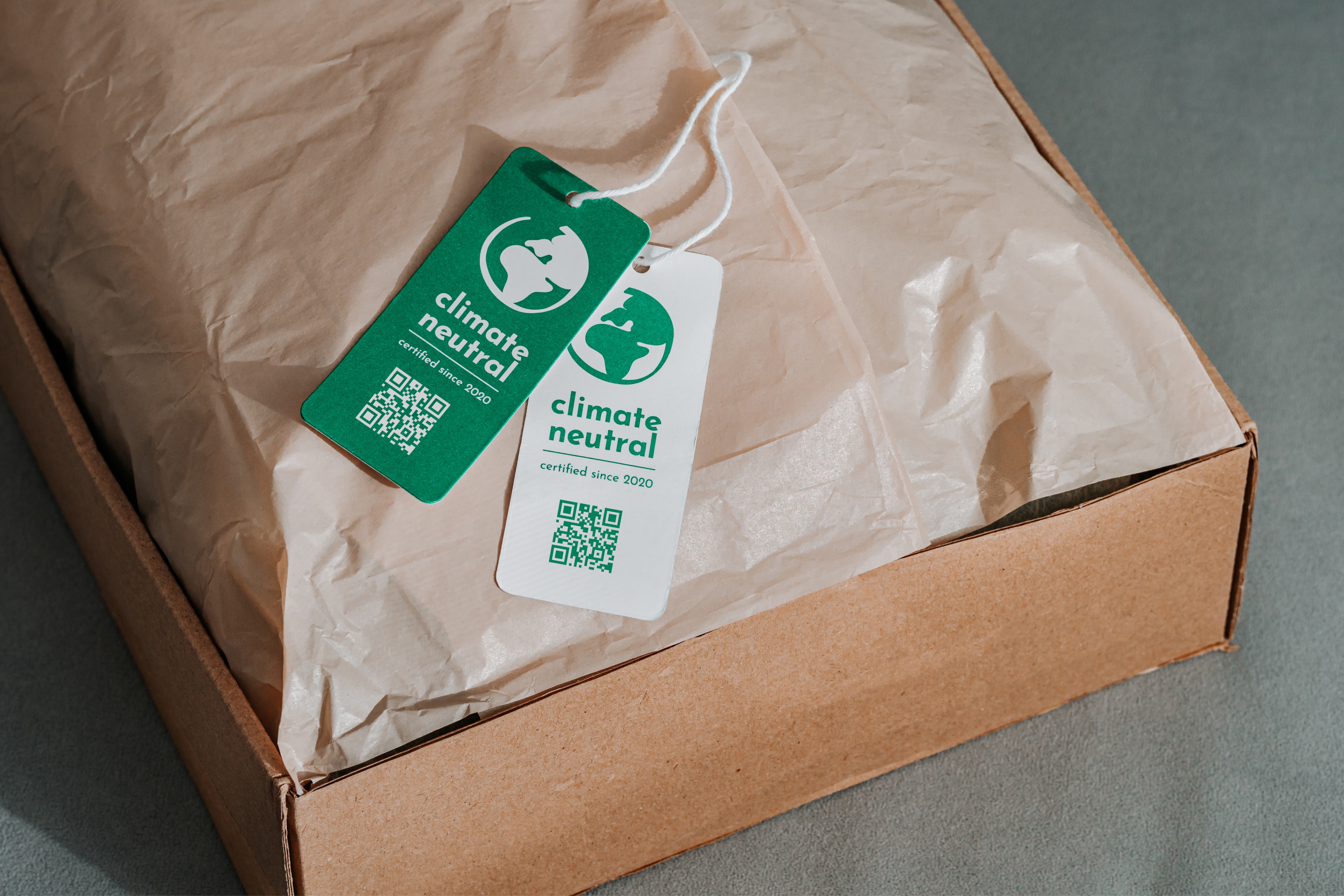
Choosing well is also a form of action.
In any case, 2026 will likely mark a before and after in how we live, consume, and relate to our environment because, in an increasingly demanding context, sustainability becomes a key tool to protect our well‑being.
Therefore, trusting companies and organizations that are part of the Biosphere community and hold the Biosphere Certified label, as well as destinations integrated into the international network of Biosphere tourism destinations with the Biosphere Certified Destination certification, not only facilitates adaptation to these changes but also promotes a more just, transparent, and responsible development model, in which every everyday decision matters.


