Zurich shows how sustainable urban travel can be lived naturally. From soft mobility and green public spaces to hotels certified by Biosphere and integrated into Swisstainable, this conscious getaway reveals how traveling with verified sustainability criteria enhances the experience and leaves a positive impact.
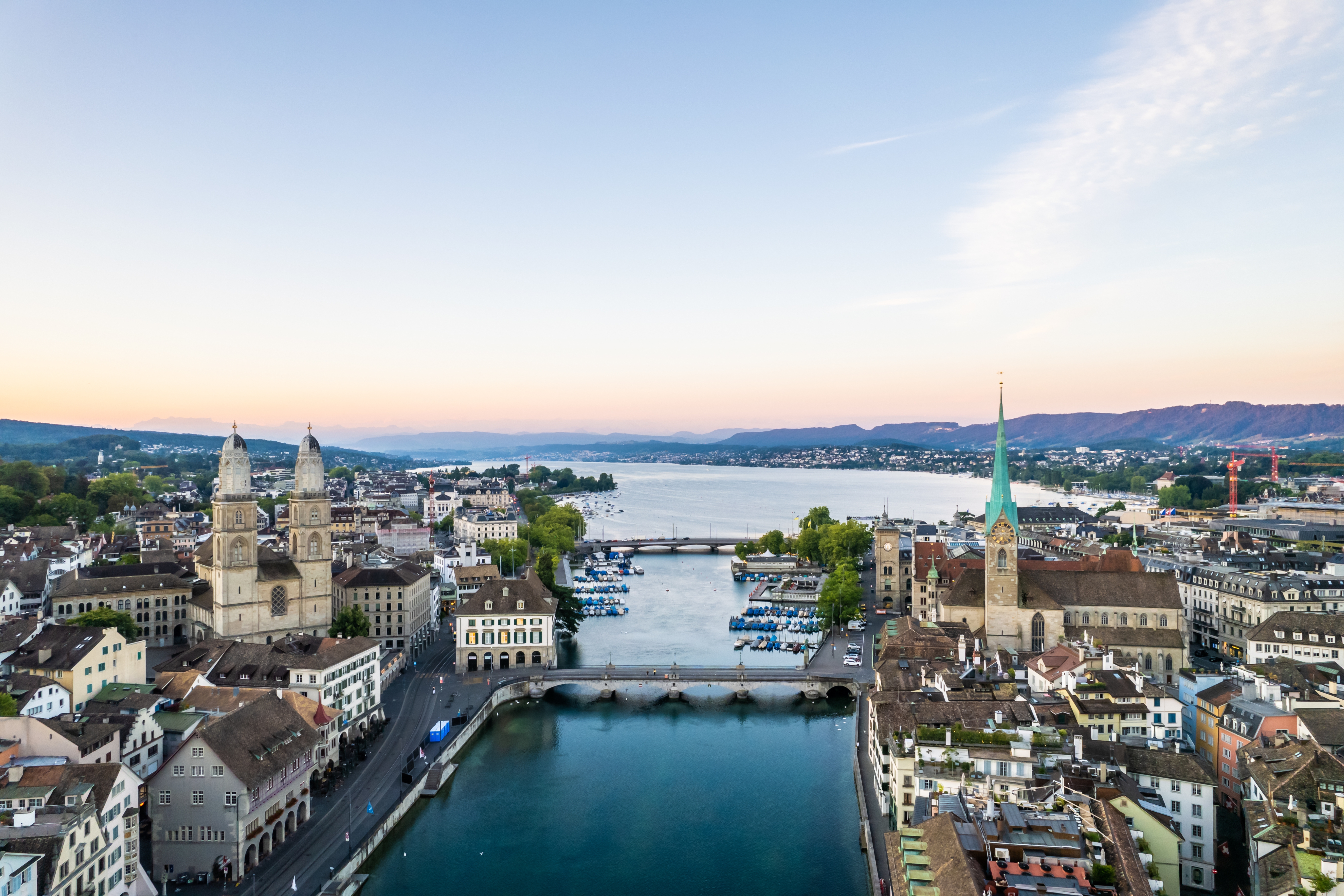
Zurich, where sustainability is practiced.
Zurich is Swiss precision and, at the same time, a vibrant city on the shores of the lake.
Internationally renowned museums, creative neighborhoods, punctual trams, and green hills shape a destination where moving slowly does not mean wasting time, but gaining it.
It is a city designed for pedestrians, for contemplation, and for an urban lifestyle where sustainability is not proclaimed—it is practiced.
In this article, we propose a journey through the Zurich most aligned with responsible tourism. A city that invites sustainable mobility, enjoyment of expansive green spaces, and savoring seasonal, locally sourced cuisine. In particular, we highlight three accommodations committed to sustainability that hold the Biosphere Certified distinction and are part of the Swisstainable program. The goal is clear: to travel with quality, data, and coherence.
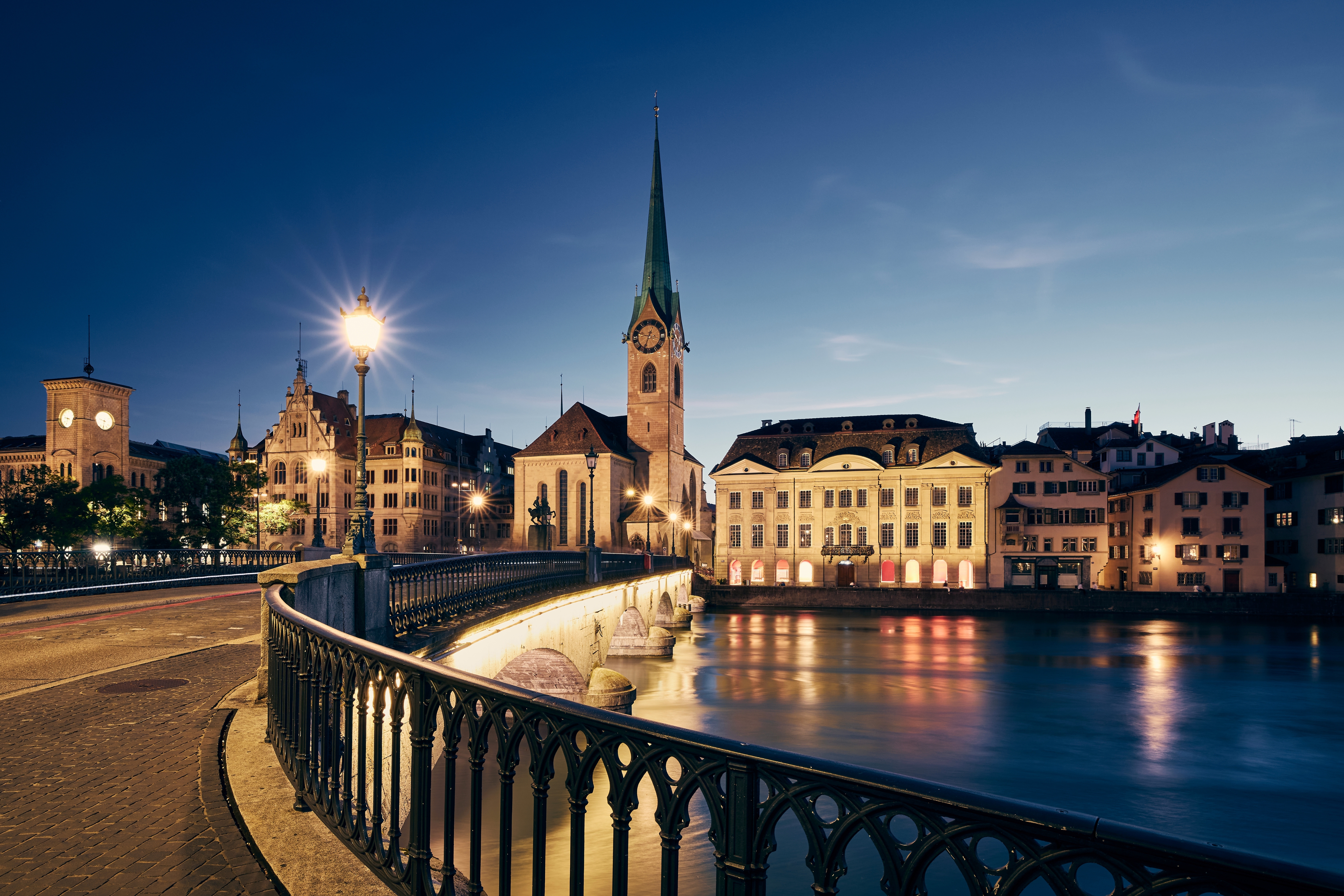
What to do in Zurich, with pace and purpose.
Zurich is best enjoyed on foot and by using its excellent tram network. The historic Altstadt, the banks of the Limmat River, the lakeside promenade among arboretums and historic bathing areas, as well as former industrial workshops converted into cultural spaces in Zürich West, make up a city that prioritizes public space, culture, and sustainable mobility.
Sustainability here is tangible. Well-connected bike lanes, public drinking water fountains throughout the city for refilling reusable bottles, and gastronomy based on local and seasonal products are part of everyday urban life. The result is a smooth, accessible travel experience that is consistent with a city model that cares for both visitors and residents.
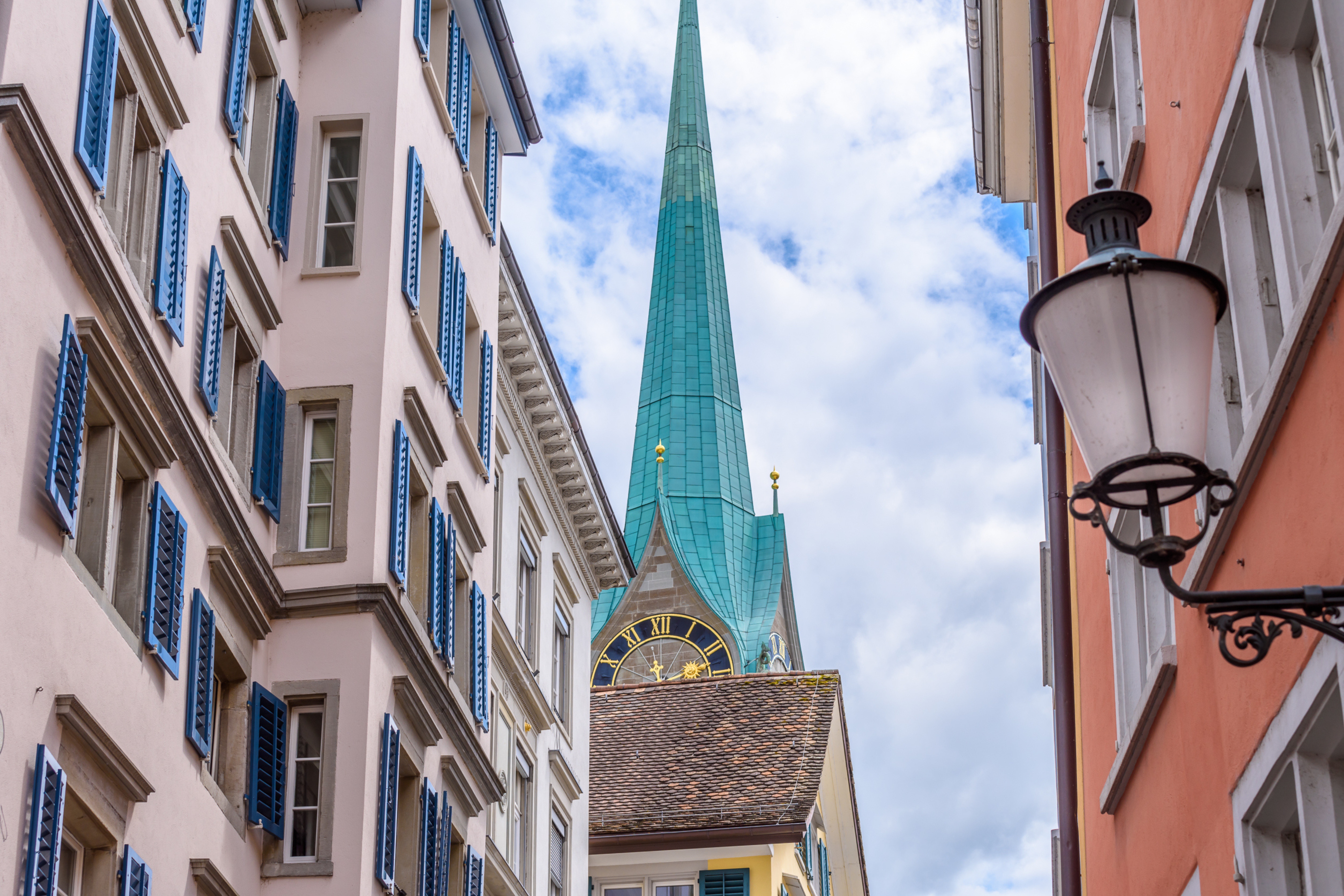
How to choose accommodation wisely and why it matters.
Where we sleep also tells the story of our trip. Choosing accommodation with a recognized certification guarantees responsible water and energy management, waste reduction, local sourcing, universal accessibility, and staff well-being.
In Zurich, the Biosphere Certified distinction and the Swisstainable framework make it possible to identify accommodations that do not merely declare good intentions, but measure, verify, and continuously improve their sustainability performance. Overnight stays stop being a simple formality and become an active part of a responsible experience.
Below, we recommend three accommodations that hold the Biosphere Certified seal and are part of the Swisstainable program—three options that combine strategic location, style, and real commitment.
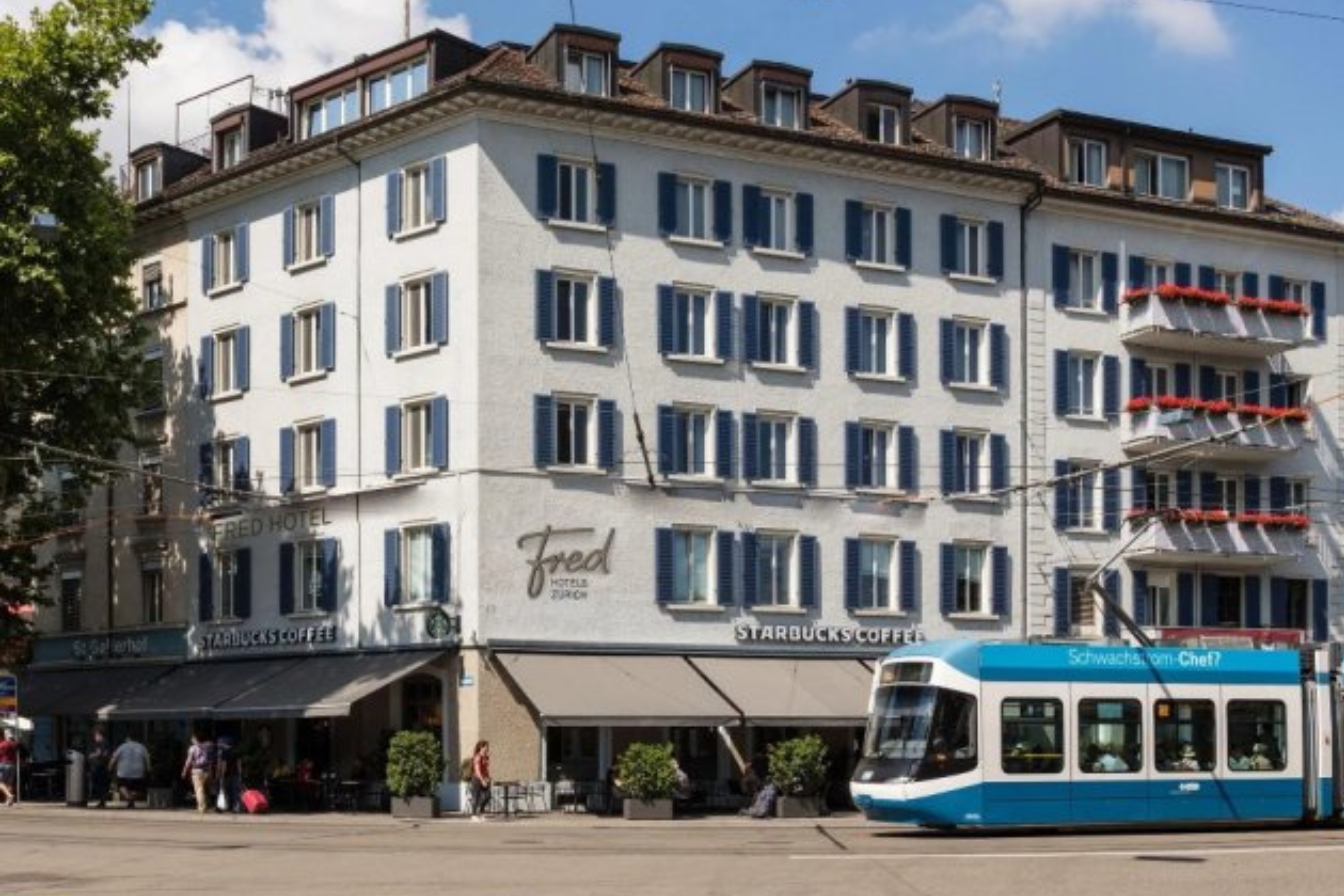
Fred Hotel Zurich Hauptbahnhof.
Just steps from the main train station, this hotel combines urban functionality with contemporary warmth. Fred Hotel Zurich Hauptbahnhof, part of the Fred Tschanz Group, implements water reuse measures, supports small and medium-sized local businesses, and adopts practices to prevent water pollution resulting from its operations.
Staying here contributes to a real reduction in water consumption and strengthens a territory-oriented value chain. It is a clear example of how urban comfort can naturally integrate with environmental and social responsibility.
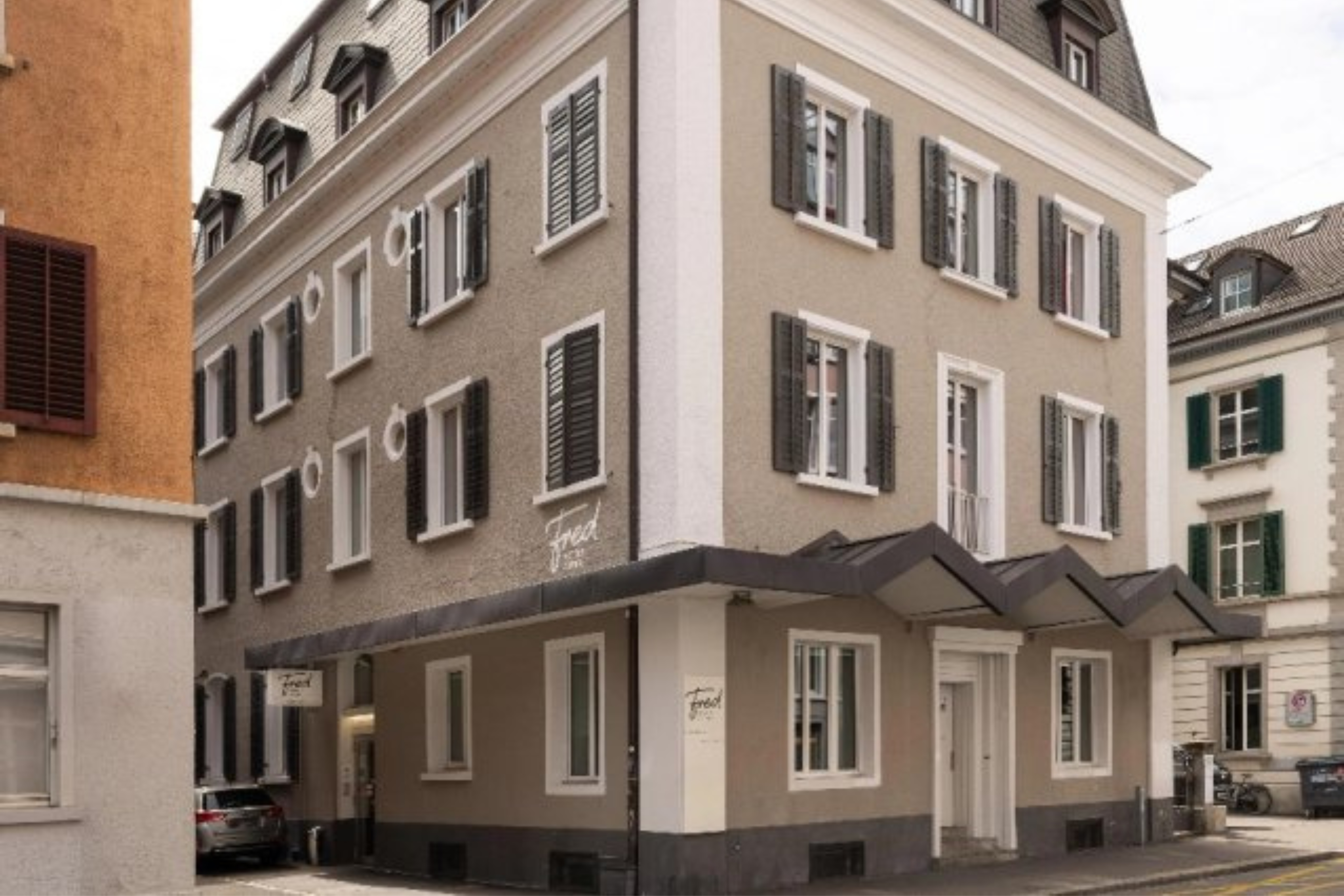
Fred Guest House Zurich Hauptbahnhof.
Located in the heart of Zurich, Fred Guest House Zurich Hauptbahnhof reflects a smart and functional philosophy. Its design is intended to optimize resources and offer an authentic experience to visitors.
Also part of the Fred Tschanz Group, this accommodation has integrated verified sustainability commitments that include participatory management systems, the promotion of healthy lifestyles, and the planning and design of sustainable infrastructure. Staying here allows travelers to make informed decisions and enjoy thoughtfully designed spaces where sustainability is lived in a practical, everyday way.
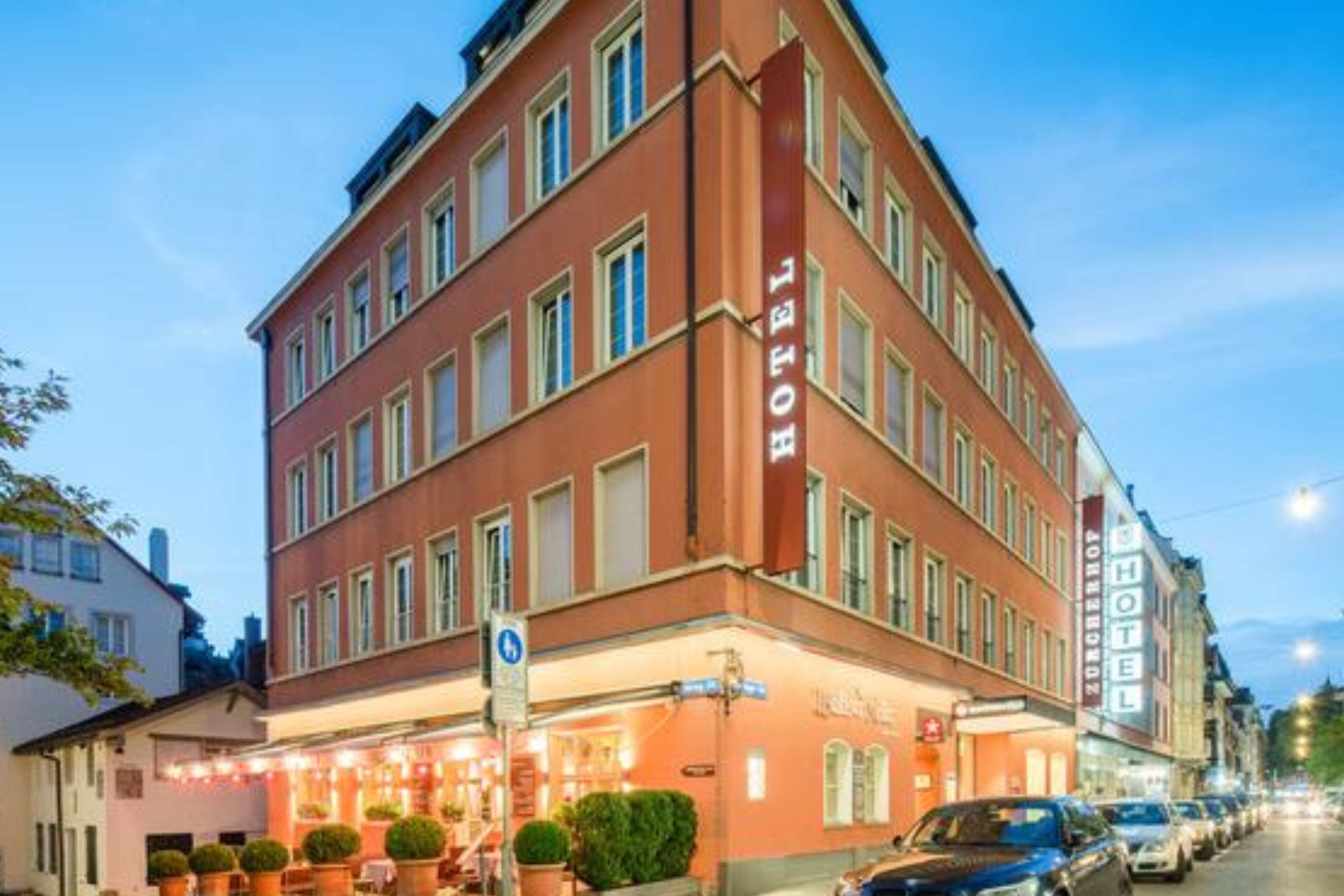
Best Western Plus Hotel Zürcherhof.
In the Altstadt, among quiet streets and a classic atmosphere with contemporary touches, this establishment understands that true luxury is coherence. At the Best Western Plus Hotel Zürcherhof, sustainability does not compete with comfort—it reinforces it.
The hotel promotes healthy habits among guests and staff, supports responsible resource use, and applies water reuse measures. Its location encourages walking and reduced private transport use, while its management actively contributes to a more conscious model of urban hospitality.
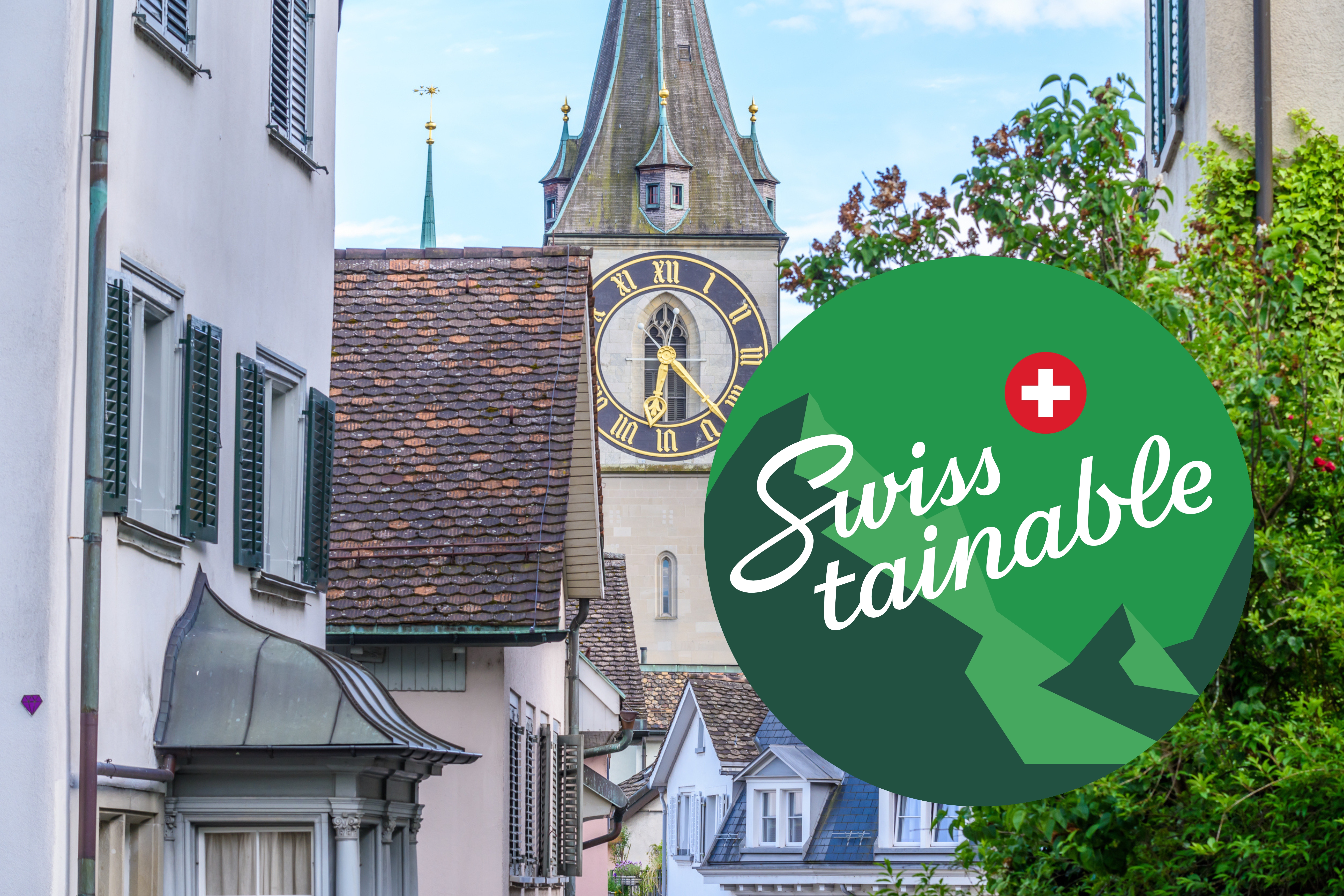
Swisstainable and Biosphere, an alliance for tourism with purpose.
Swisstainable is the sustainability program promoted by Switzerland Tourism to support the sector’s transition toward more responsible models. It is part of the Sustainability Competence Center (KONA) of the Swiss Tourism Federation and serves as a clear framework guiding both companies and travelers in an environment saturated with labels. The program focuses on the sustainable development of the entire tourism sector and is aimed at all tourism providers and related services in Switzerland, whether they are just beginning their sustainability journey or are already advanced in sustainable development.
Since 2023, Biosphere has maintained a cooperation agreement with Swisstainable, under which the Biosphere Certified distinction is recognized as a credential within the Swiss program. Thanks to this framework, Biosphere-certified companies can integrate into the Swisstainable program and use its logo at the corresponding level.
This collaboration facilitates transparency, strengthens the credibility of certifications, and allows travelers to easily identify accommodations and services that operate under verified standards. In Zurich, this synergy translates into a clearer, more coherent experience aligned with the values of sustainable tourism.
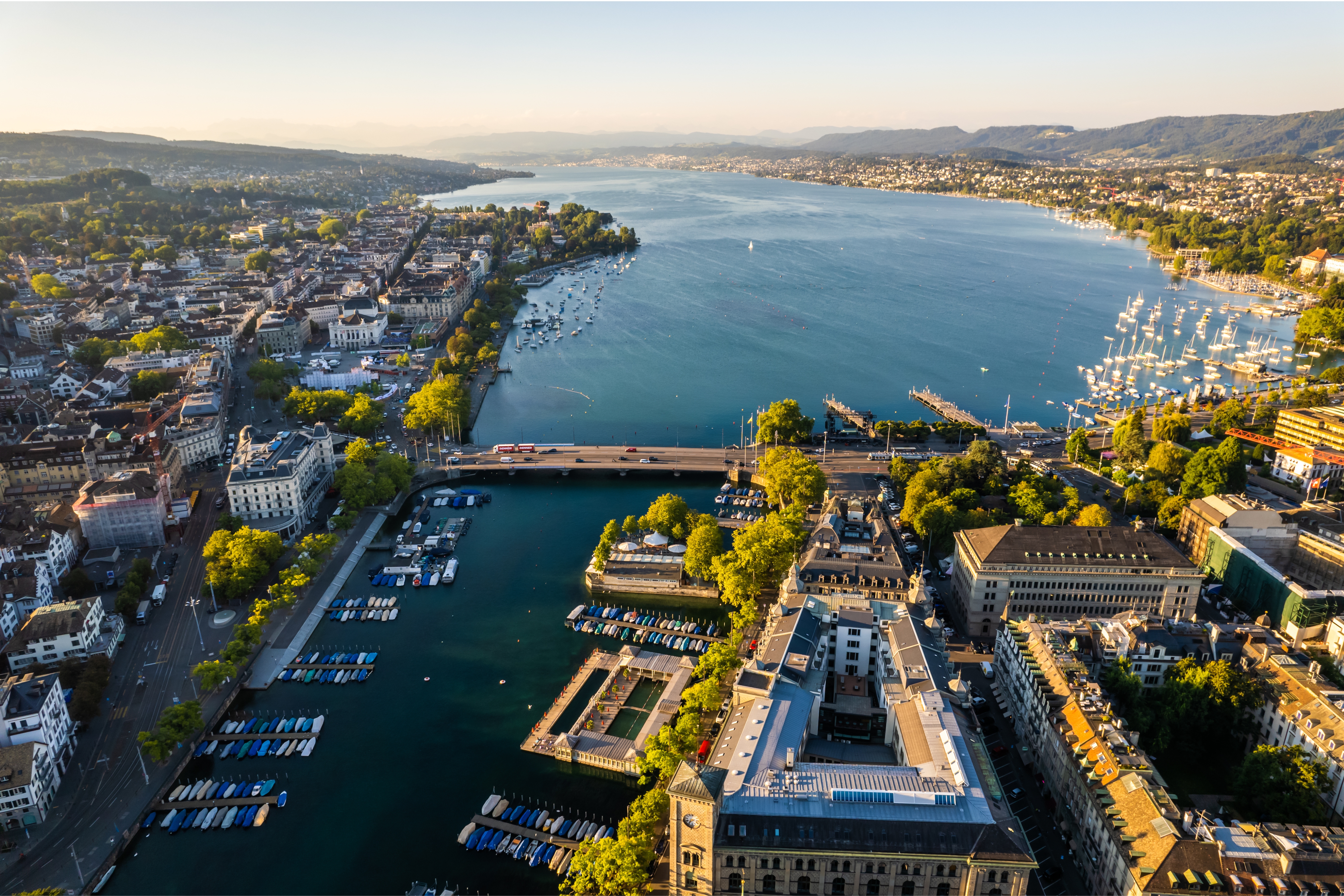
Micro-guide to sustainable Zurich: decisions that elevate the experience.
Being sustainable on an urban getaway like Zurich is simple when the environment supports it. Some everyday actions multiply positive impact, such as:
- Using a daily tram pass, walking routes, or cycling for slightly longer distances while enjoying the urban landscape.
- Using a reusable bottle and public fountains to avoid plastic bottles.
Choosing seasonal menus, local markets, and appropriately sized portions to reduce food waste. - Visiting cultural sites during off-peak hours, purchasing digital tickets, and respecting silence and photography rules.
- Personally tracking small indicators such as bottled water avoided, kilometers traveled using sustainable mobility, or the percentage of local spending.
Once these small actions are noted, we suggest a sustainable itinerary in three (unhurried) scenes:
- Morning walking through the Altstadt and along the Limmat River, among historic architecture and neighborhood cafés.
- Afternoon in Zürich West and by the lake via tram, with a pause at historic baths or urban parks.
- Evening with a seasonal dinner near the accommodation and a relaxed walk back.
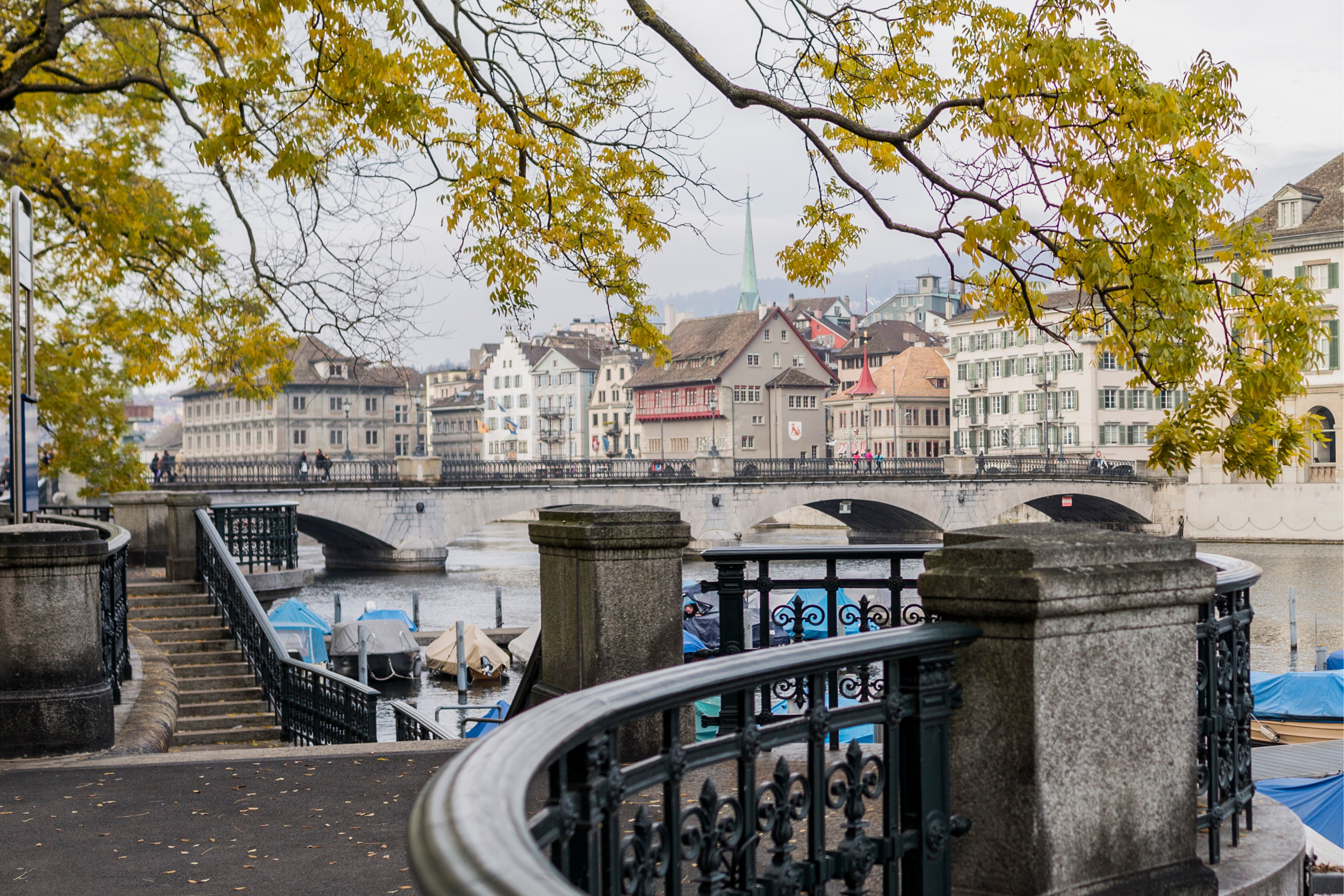
Zurich and sustainability as a quality standard.
Zurich confirms that sustainability is not an added value, but the standard of contemporary urban travel. When soft mobility, green spaces, and responsible hospitality come together, the city becomes clearer and rest becomes deeper.
From Biosphere, we suggest that, just as we have done in this article for a visit to the city of Zurich, when planning a trip to Switzerland we choose accommodations that hold the Biosphere Certified distinction and are integrated into the Swisstainable program, thus transforming our trip into an experience with legacy—less footprint and more meaning.
Zurich’s urban and tourism model connects directly with the United Nations Sustainable Development Goals (SDGs). This approach contributes to SDG 11 through an accessible and well-planned city; to SDG 12 through responsible consumption and local value chains; to SDG 13 thanks to sustainable mobility and energy efficiency; and to SDG 8 by promoting quality employment in the tourism sector.
This approach shows that responsible tourism not only enhances the traveler’s experience, but also strengthens the territory and prepares it for the future.