

Hanoi is one of the most fascinating destinations in Southeast Asia and an example of how sustainable tourism can be integrated into everyday life. Traveling to Hanoi today means discovering its living culture, exploring its Old Quarter, and connecting with its traditions through a responsible tourism approach in Vietnam.
In this article, we propose a short guide to understanding the city from within, with a conscious perspective that combines heritage, local gastronomy, and authentic experiences aligned with sustainable travel.
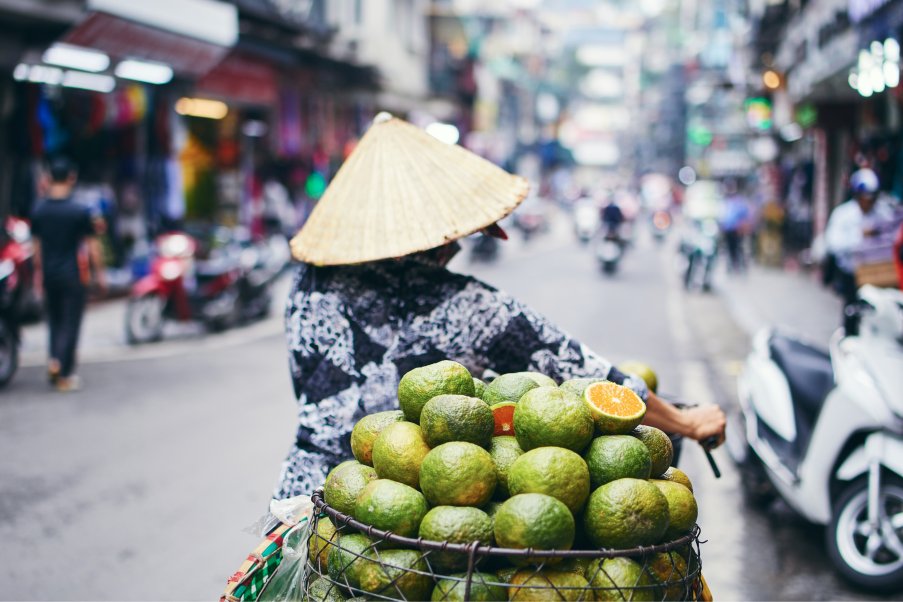
Hanoi, living culture and responsible tourism in Vietnam.
Hanoi is not visited, it is deciphered. Its culture is not encapsulated in a monument, but distributed in everyday gestures, such as the steam of a broth at dawn, calligraphy in a discreet courtyard, the sound of a bicycle crossing a narrow street, or a slow conversation by Hoàn Kiếm Lake.
In this article, we propose a cultural getaway to Hanoi with a sustainable tourism approach in Vietnam, designed for traveling with more awareness and less noise.
And we do so acknowledging a reality that is transforming the country. We refer to the progress being made by companies and institutions to guide tourism toward more responsible models, with better management, greater heritage protection, and more balance between visitors and local life.
In this awakening of responsible tourism in Hanoi, Vietnam is beginning to transform a way of traveling into a way of being more connected to the territory, more respectful of its communities, and more mindful of what it leaves behind.
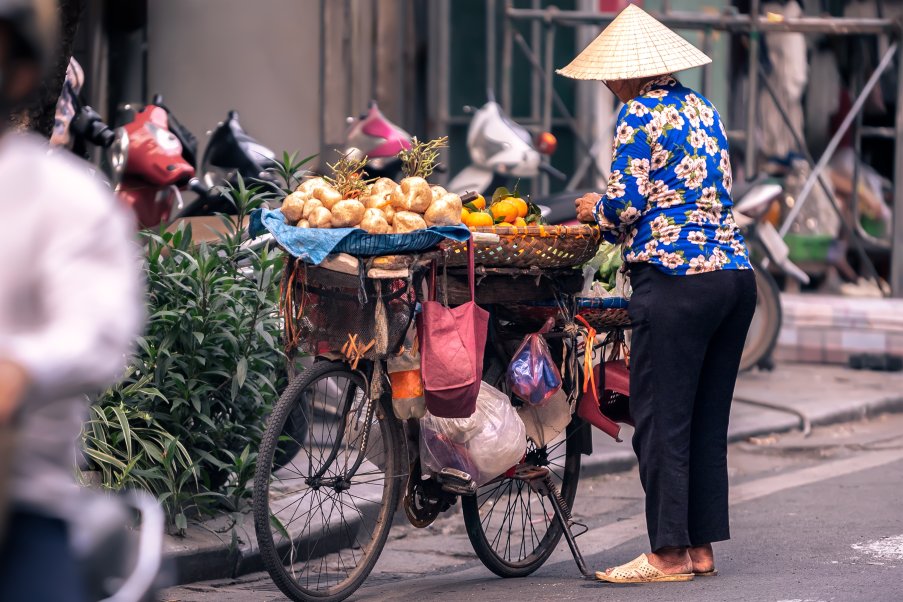
Hanoi as an open-air museum and living culture in sustainable tourism.
The first sustainable gesture in Hanoi is to change the way we look. In a city with intense traffic and constant stimuli, culture is found when we slow down and choose times and routes that respect the local rhythm.
Early walks through the Old Quarter, strolls around the lake in the early hours, or visits to temples and heritage houses during off-peak times are decisions that improve the traveler’s experience and reduce pressure on sensitive sites.
This way of traveling connects with a new approach to tourism in Vietnam, which aims, through sustainable management, to promote tourism capable of preserving heritage, caring for resources, and turning authenticity into economic value without transforming the city into a mere stage.
It is the shift from attracting to managing: organizing flows, protecting historic areas, professionalizing services, and promoting good environmental and social practices, in line with destination models that move toward standards such as Biosphere Certified Destination, where sustainable tourism management becomes a strategic priority.
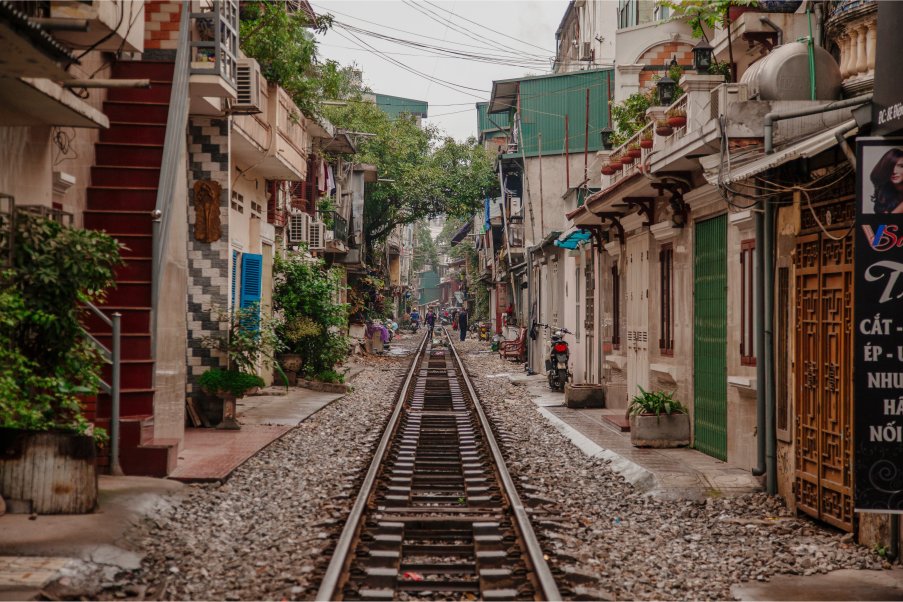
Urban sustainability in Hanoi and the impact of responsible tourism.
In Hanoi, sustainability is not only about nature. It is also about mobility, noise, waste, and responsible consumption in a dense urban fabric.
The city and the country have been strengthening initiatives aimed at reducing impacts, such as regulating heritage areas, improving tourism services, promoting campaigns to reduce plastic, and fostering growing interest in more respectful experiences such as culture, gastronomy, and crafts.
It also involves learning how to engage with the most popular places without degrading them. The famous Train Street has become a photographic icon, but it requires maximum caution, respect for residents, and strict compliance with current regulations.
At the traveler level, all of this translates into concrete decisions: walk more, consume locally, avoid short-lived purchases, and prioritize operators that work with ethics and transparency.
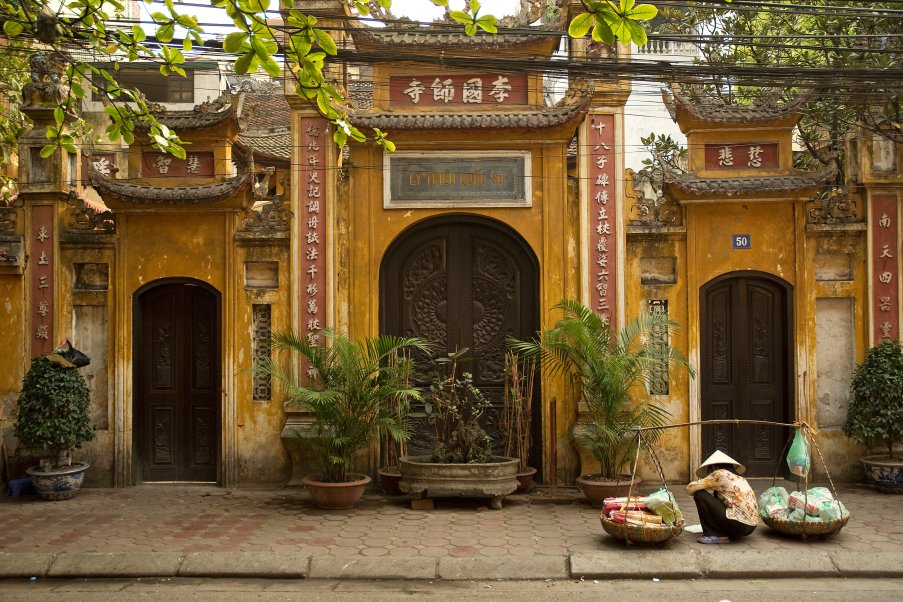
Hanoi’s Old Quarter and the authenticity of cultural tourism.
The Old Quarter is best understood when explored as a network of trades.
Instead of chasing iconic places, it is better to explore it as an urban narrative, with specialized streets, workshops, tube houses, and markets. Culture here is work.
Choosing useful crafts, paying fair prices, and avoiding aggressive bargaining are simple actions that sustain dignity and the local economy.
This leads travelers to buy less and better, prioritizing durable pieces made by real artisans rather than industrial products disguised as tradition.
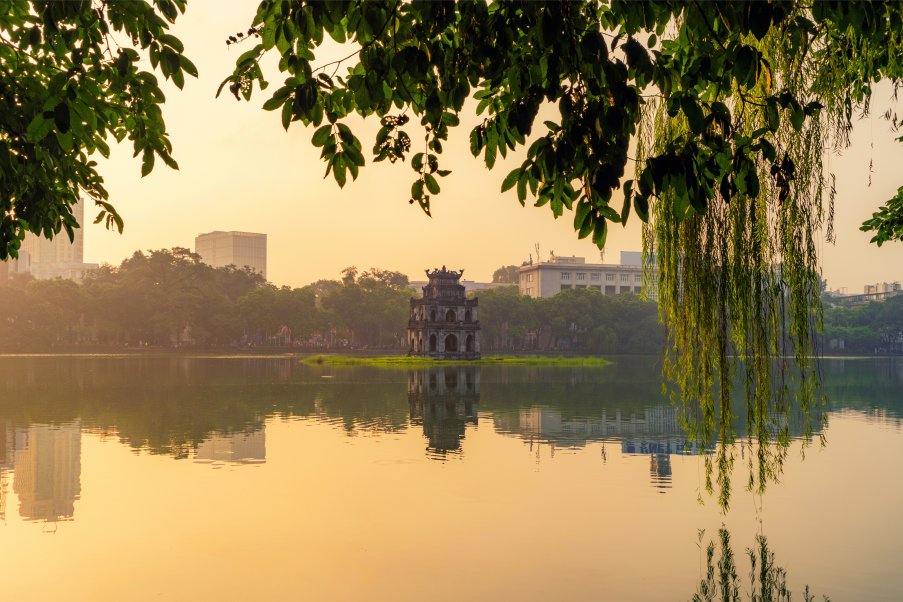
Hoàn Kiếm Lake and the authentic cultural experience in Hanoi.
The lake is not a tourist spot, it is a social space.
At dawn, residents inhabit it with tai chi, walks, and conversation. Visiting at those hours avoids overcrowding and offers an authentic cultural experience without adding pressure.
Responsible travel here means observing and adapting to the rhythm of the place, avoiding noise and the overproduction of images. Practicing discreet photography, without blocking passage or interfering in public space, is part of a more respectful experience.
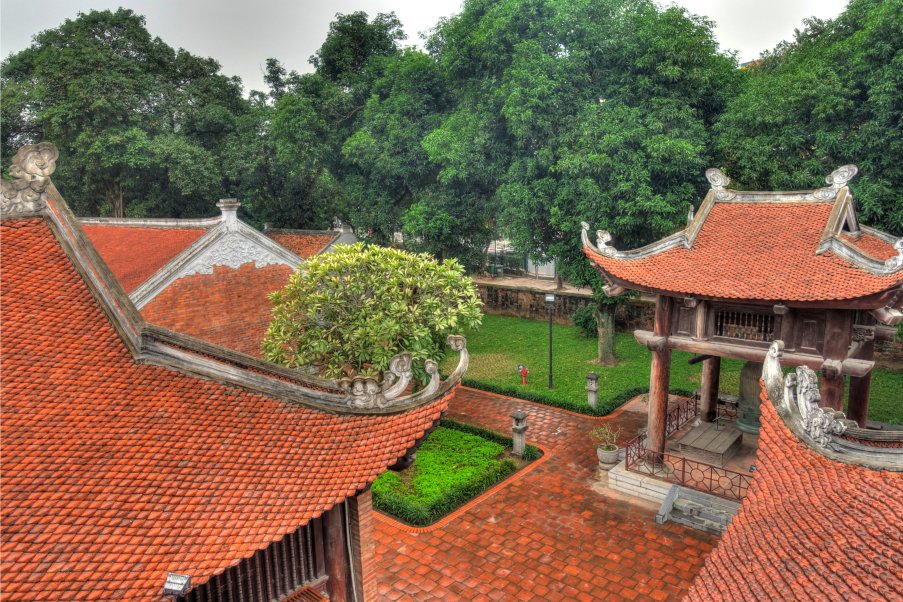
Temples and spiritual heritage in Hanoi’s sustainable tourism.
In Hanoi, spirituality is part of everyday life.
Temples and pagodas are living spaces, not decorations. From a sustainable cultural tourism perspective, the key is to respect the codes: dress, silence, and timing.
Choosing guided visits with a cultural focus allows for a better understanding of the value of the place and, at the same time, supports local employment.
Selecting trained guides and small groups is one of the most responsible decisions a traveler can make.
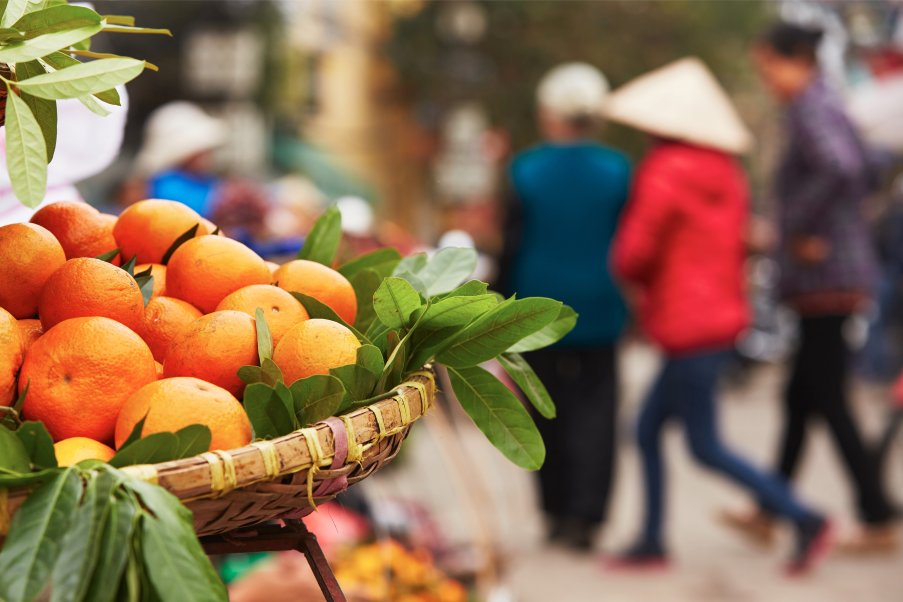
Local gastronomy and sustainable tourism in Hanoi.
Hanoi is a gastronomic capital, but culinary tourism can become extractive if it is limited to tasting without understanding.
A responsible approach prioritizes seasonal products, local markets, resource-efficient cuisine, and establishments that reduce waste.
Sustainable gastronomy is not a diet, but a way of relating to the territory and its economy.
Choosing culinary experiences that explain the origin of ingredients and value the work behind each dish transforms every meal into a complete cultural experience.

 Culture and performing arts as drivers of responsible tourism.
Sustainable culture also means supporting institutions and projects that preserve traditions without turning them into empty spectacle.
In Hanoi, water puppet shows represent an example of living heritage that combines history, music, and storytelling.
Choosing contextualized cultural experiences, museums with educational approaches, or cultural centers with local programming ensures that tourism spending translates into real support for culture.
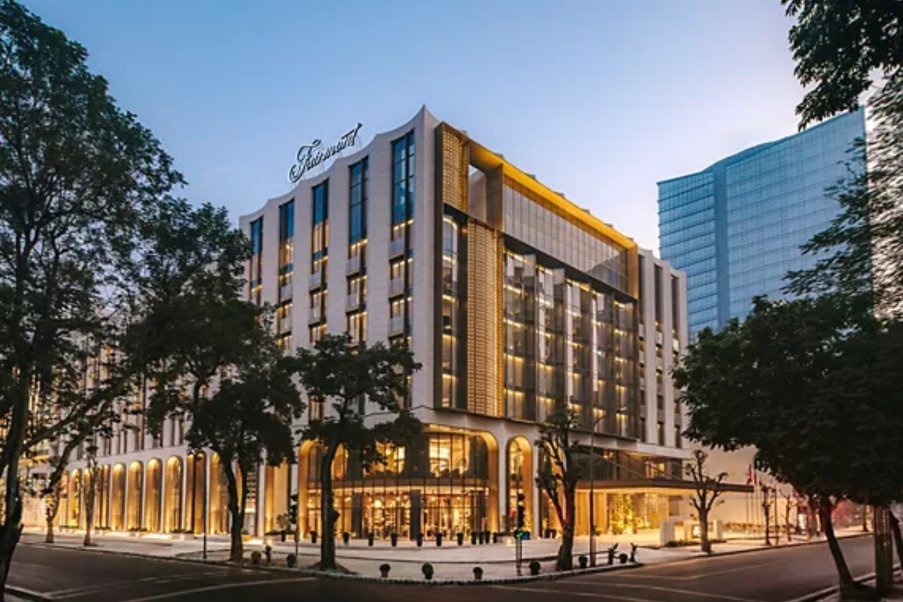
Where to stay in Hanoi with a sustainable tourism approach.
For a getaway to Hanoi that combines culture and excellence, the Fairmont Hanoi can be an excellent accommodation option. Recently opened and part of the Fairmont Hotels & Resorts chain, it is also the brand’s first property in Vietnam.
It is a hotel that combines contemporary design and Vietnamese art, with a carefully curated gastronomic offering, and is located in the Old Quarter near Hoàn Kiếm Lake, in a strategic position connecting the Old Quarter, the French Quarter, and the Red River.

Its 241 rooms offer comfort and sophistication, while its culinary proposal integrates local products and creativity, becoming a meeting point for travelers and lovers of fine dining. An establishment that offers guests moments of enjoyment and cultural connection in one of Hanoi’s most emblematic locations.

In this case, when a hotel turns its offering into an expression of the territory, it opens the door to cultural sustainability, aligning with models that promote responsible management, where the guest experience is linked to sustainable practices.

In fact, within this chain, the hotels Fairmont Le Manoir Richelieu (Charlevoix, Canada), Fairmont Le Château Frontenac (Quebec, Canada), and Fairmont Empress (Victoria, Canada) stand out, all of which hold the Biosphere Certified seal and, over time, have consolidated themselves as international benchmarks in sustainable hotel management.
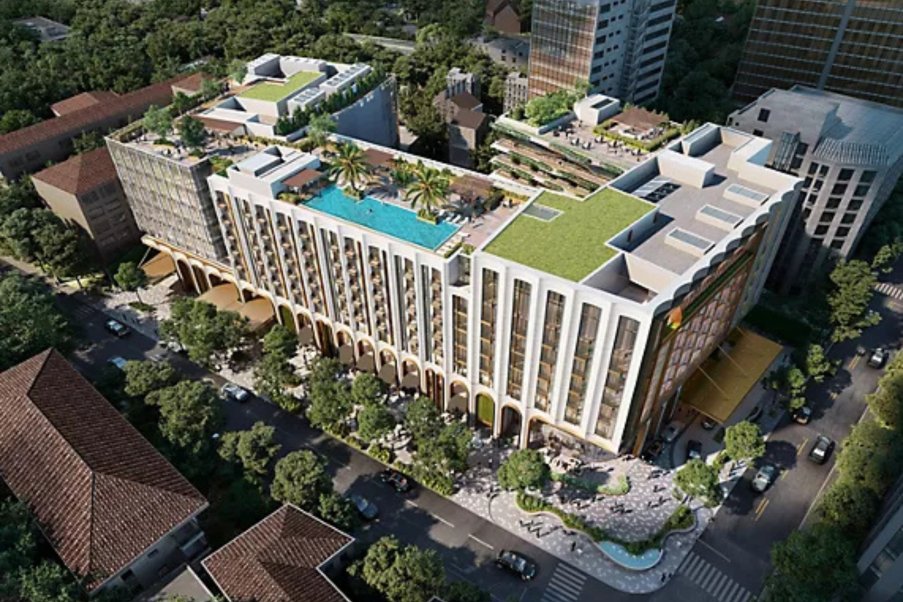
Although Fairmont Hanoi does not yet hold this distinction, we hope it will soon begin the process to obtain it and incorporate verified sustainability as a core element of its daily management. For travelers, this would be a guarantee of value and a sign that high-end hospitality in Vietnam can—and should—be connected to more responsible tourism.
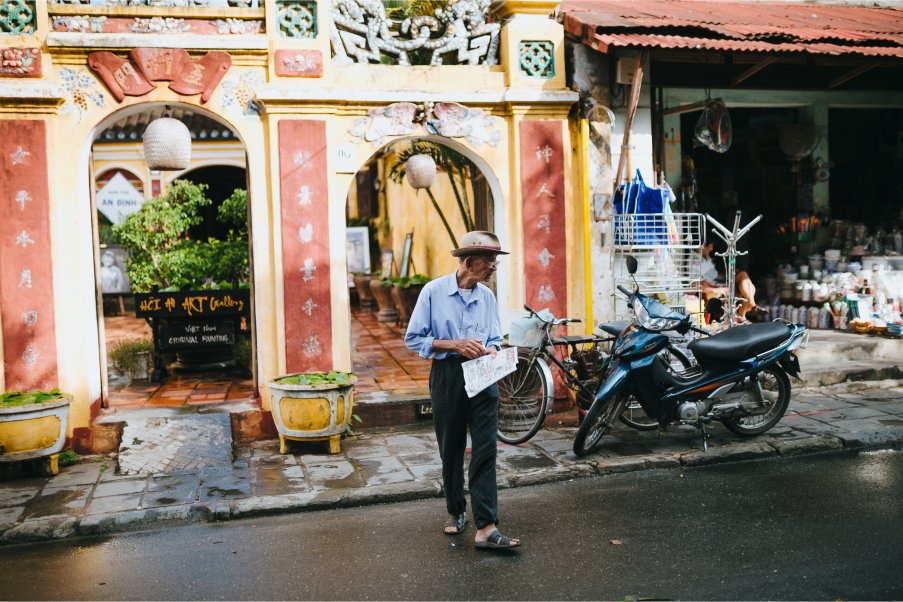
Micro-guide to traveling in Hanoi with responsible, low-impact tourism.
If you want this getaway to leave a lighter footprint, it is enough to travel with intention. For this reason, this micro-guide proposes simple (and highly applicable) decisions to move around Hanoi with more calm, more culture, and less impact.
- Intention in writing. Define three criteria before leaving, such as walking daily, direct local spending, or reducing plastic (reusable bottle, no single-use portions).
- Mobility and timing. Walk whenever possible. If transportation is needed, prioritize lower-impact options and avoid unnecessary routes. Visit heritage sites during off-peak hours.
- Purposeful shopping. Useful crafts, books, quality textiles. Avoid short-lived souvenirs. Better one object with a story than ten bags without memory.
- Culture with respect. Temples, courtyards, and residential neighborhoods require discretion. For example, ask permission before photographing people. Do not turn everyday life into a stage.
- Conscious gastronomy. Always choose culinary experiences with a story, consume local products, and avoid waste. Ask about ingredients, seasonal products, or the background of each dish.
With these five gestures, Hanoi can be enjoyed a little better. We can make our trip more real, more respectful, and more authentic, while contributing to ensuring that the city remains a lived place (not just a visited one) for those who inhabit it every day.
And always remembering that culture is best enjoyed when travel is designed with awareness.
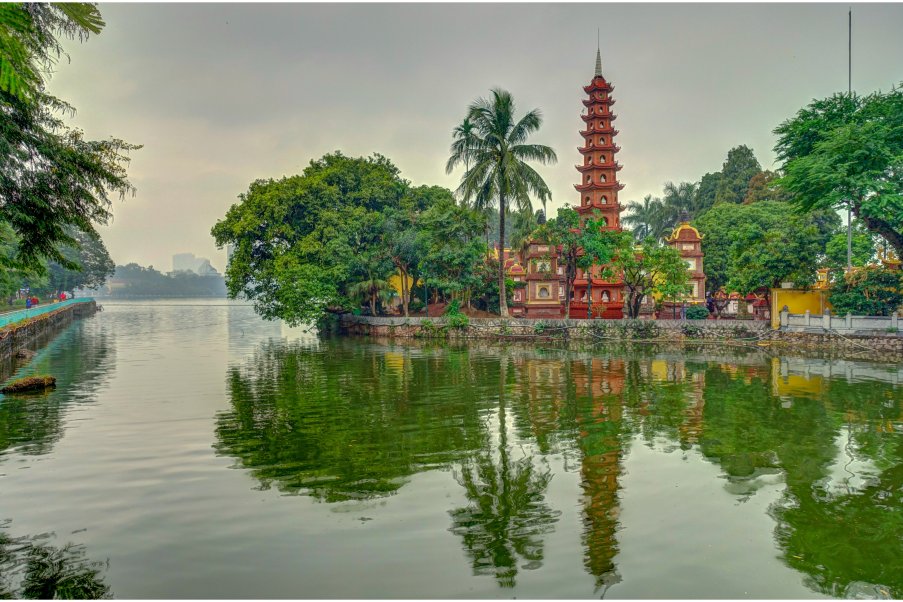
Hanoi, a sustainable tourism destination best experienced with respect.
In conclusion, Hanoi (and Vietnam) offers an intense and generous culture, but it also requires a more attentive and responsible traveler.
In a city where heritage coexists with modernity, sustainability does not depend on grand gestures, but on small decisions, such as walking, respecting the environment, consuming locally, and valuing silence.
Vietnam, and Hanoi in particular, is moving toward a sustainable tourism model, open to travelers becoming part of that change.
The question is not only what to see in Hanoi, but how to be in Hanoi without taking anything away from it.
And this allows us to understand that when we experience travel as a relationship rather than consumption, what we visit stops being a destination and becomes a lasting cultural experience.
This is precisely our proposal for Hanoi, a destination that we hope will soon become part of the international network of Biosphere sustainable destinations.
Photo Fairmont Hanoi: Fairmont Hotels & Resorts


