

Low-carbon mobility has become a key element in advancing toward sustainable tourism aligned with the Sustainable Development Goals (SDGs). In a context where reducing the carbon footprint is a priority, destinations and companies are investing in sustainable transport solutions, electric mobility, and certified models such as Biosphere. This article analyzes how sustainable mobility is moving from promise to implementation and transforming the way we travel.

In an increasingly connected world, the way we move defines not only our destinations, but also the impact we leave on them. Low-carbon mobility has shifted from being an aspirational promise to becoming an urgent priority within sustainable tourism.
Traveling is no longer just about arriving. It also involves how we get there.
In this context, mobility stands at the center of a global transformation. From highly energy-efficient trains to electric mobility solutions and shared transport models, the tourism sector is beginning to rethink one of its greatest environmental challenges.
The transition toward sustainable mobility is not only a response to the need to reduce emissions. It also opens the door to a new way of traveling—more conscious, slower, and more connected to the environment—in line with the United Nations Sustainable Development Goals (SDGs), which promote more responsible and resilient development models.

Low-carbon mobility as a pillar of sustainable tourism.
Transportation represents one of the main sources of emissions in tourism. Therefore, advancing toward low-carbon mobility has become a key element for the development of sustainable tourism.
Reducing the carbon footprint of travel involves rethinking both infrastructure and traveler habits.
Today, more and more destinations are integrating strategies that promote:
- Efficient and accessible public transportation.
- Electric mobility networks.
- Infrastructure for cycling and active mobility.
- Rail connections as an alternative to air travel on short routes.
Many of these destinations are progressing through recognized management models such as Biosphere Certified Destination, which integrate sustainable mobility into a global strategy aligned with the SDGs.
These initiatives not only contribute to the decarbonization of tourism, but also enhance the traveler experience by offering more authentic and sustainable ways to discover a destination.
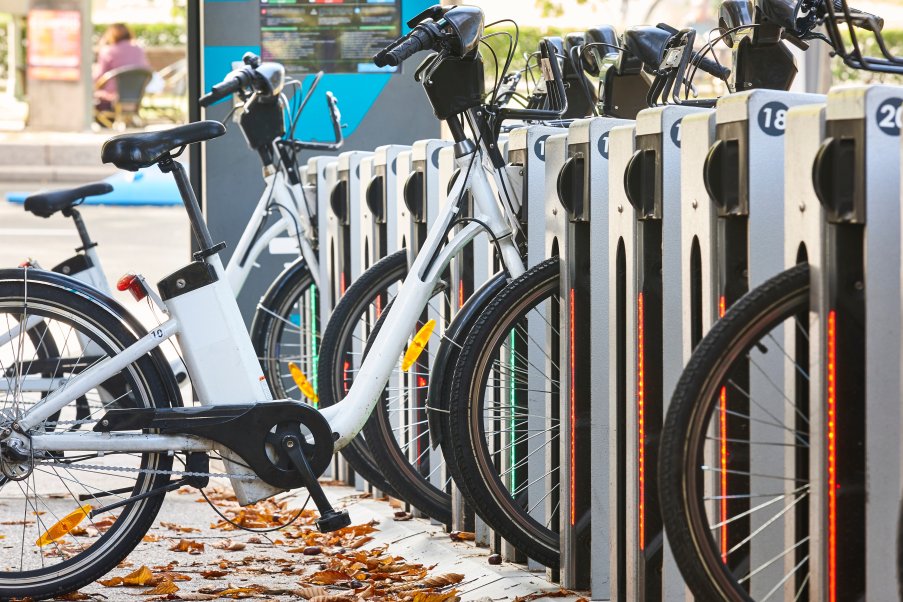
From promise to implementation in sustainable mobility.
For years, sustainable mobility existed in presentations, plans, and good intentions. But real transformation begins when those ideas meet the traveler. When they become easier decisions, cleaner journeys, and destinations enjoyed with less noise and more clean air.
Today, that transition is already underway. Low-carbon mobility is no longer theory—it is becoming an experience. Trains that connect more efficiently, electric options that bring people closer without pollution, and shared solutions that encourage more conscious travel.
These are some of the trends driving this change and reminding us of something essential: not only the destination matters, but also the path we choose to get there.
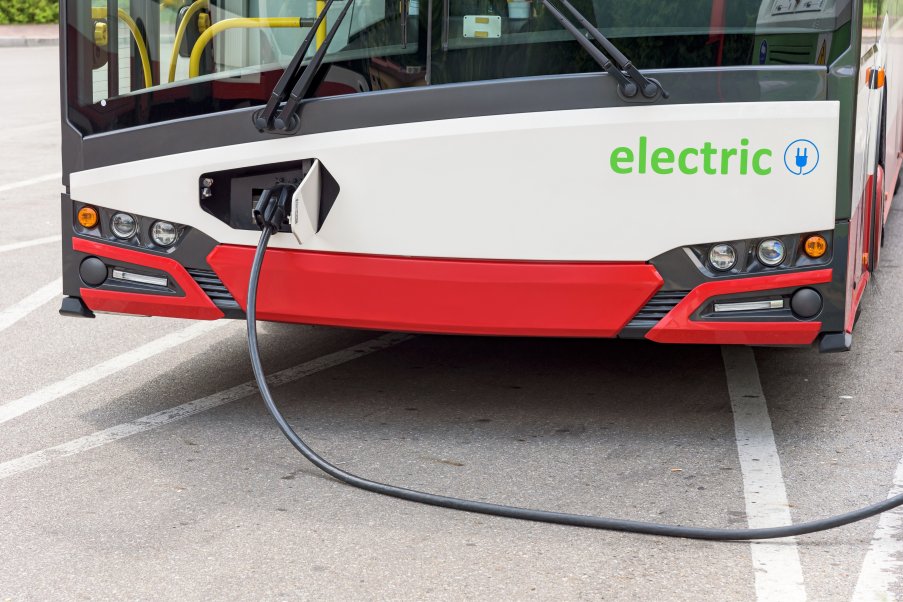
Electrification of tourism transport.
he electrification of tourism transport is advancing rapidly and is already changing the way we move within destinations. The expansion of electric vehicles, both in public transportation and tourism services, is significantly reducing emissions associated with travel and, for the traveler, translates into quieter, more comfortable journeys with better coexistence in urban and natural environments.
More and more tourism companies are integrating these solutions as part of their sustainability commitments. From electric shuttles between stations and hotels to electric taxis, rental fleets with zero-emission models, or micromobility options (bicycles and electric scooters) for short distances. Many of them are recognized with the Biosphere Certified distinction, which validates the adoption of responsible practices aligned with international standards and continuous improvement in environmental performance.
- Easier access to restricted areas. In destinations with low-emission zones or historic centers with limited access, electric options are often better integrated and more practical.
- More sustainable last-mile travel. E-bikes and other electric services help cover short distances from a stop or station without needing a car.
- Less noise, better visitor experience. Reduced noise improves the experience in historic centers and natural environments, especially on guided routes or excursions.
- Greater confidence when getting around. When destinations offer visible, well-marked charging points (and available fleets), travelers can plan better and rely less on private vehicles.
In addition, with the support of data and artificial intelligence (AI), these solutions are increasingly easy to use: apps that show vehicle or seat availability, suggest the best pickup points, indicate nearby charging stations, and recommend routes that avoid congestion or overcrowded areas.
The reality is that today we can arrive at a destination by train and, instead of renting a car, choose in many destinations to take an electric shuttle to our accommodation. To get around the city center, we can use an e-bike for short distances and, when it gets hot or there is more demand, rely again on electric public transportation. With these simple actions, we can reduce our carbon footprint without giving up the flexibility of moving at our own pace.

The rise of rail transport.
Rail has become one of the most efficient and lowest-impact options for travel, especially over short and medium distances. For many travelers, it also offers a more comfortable and simple way to move: centrally located stations, less waiting time than airports, the ability to work or rest while traveling, and a journey that becomes part of the experience itself.
- Better door-to-door connections. Easier combinations between train, metro, bus, or bicycle to reach accommodation or key points of interest without relying on a car.
- A real alternative to flying on short routes. In many corridors, rail offers competitive travel times when airport transfers and security checks are considered, with a lower carbon footprint.
- Night travel and time optimization. Night trains allow travelers to “sleep through the journey” and wake up at the destination, saving a hotel night and gaining time to explore.
- Scenic experiences and slower tourism. Scenic routes that turn travel into part of the journey, aligned with the concept of slow travel.
- Greater predictability and comfort. More space, the ability to move during the trip, and direct access to city centers improve the overall travel experience.
Let’s imagine traveling from Rome to Milan and, instead of flying, choosing the train. We depart from a central station, avoid additional airport time, and arrive directly in the heart of the city. During the journey, we can rest, read, or work, and upon arrival, easily connect with the metro and urban transport to continue our route without needing a car. For many travelers, it is a practical option to reduce the footprint of travel without sacrificing comfort.
In this rail expansion, artificial intelligence (AI) is helping make travel simpler and more reliable: improving real-time information, anticipating disruptions, and making it easier to integrate trains into the rest of the itinerary.
- Occupancy insights and less crowded trains. Predictions of demand help choose departures with more availability and greater comfort, especially during peak hours.
- Safer connections. Proactive alerts if a connection is at risk (due to delays) and suggestions for alternatives to avoid missing the next train or urban transport.
- Door-to-door recommendations. Itineraries combining train + metro/bus + walking segments, adjusted to your location and real arrival times.
- Accessibility and specific needs. Adapted guidance (elevators, step-free routes, station assistance) for more inclusive and predictable travel.
- Visible emissions impact. Journey footprint estimates that help compare options and reinforce rail as a low-impact alternative.
As these connections expand and integrate better with other transport modes, supported by real-time data, rail becomes a key lever for reducing emissions and enabling smarter, more accessible tourism mobility.

Shared mobility and smart solutions.
The use of digital platforms makes it possible to optimize routes, reduce unnecessary travel, and promote shared transport models.
This progress is further accelerated by artificial intelligence (AI). For travelers, this translates into less friction when moving around a destination: better recommendations, shorter waiting times, and more informed decisions when choosing lower-impact transport options.
- Door-to-door planning. Apps and assistants that propose the best combination of train, bus, bike, or walking routes based on your location, schedules, and preferences, prioritizing low-impact alternatives.
- Fewer waits and unnecessary trips. Predictions of demand and travel times help choose less crowded schedules, optimize connections, and avoid detours.
- More sustainable (and realistic) recommendations. Suggestions that balance environmental impact, time, and comfort, making the “green option” a viable one.
- Better destination experience. Real-time information on disruptions, access points, occupancy, or alternatives, especially useful in natural environments or historic centers with traffic restrictions.
- Awareness of impact without complexity. Emissions estimates per journey and practical tips to reduce them (for example, switching to rail for medium distances or combining public transport with active mobility).
Together, these capabilities make low-carbon mobility not only cleaner, but also easier to use. They help us move more efficiently, with less uncertainty, and make more responsible travel decisions without sacrificing comfort.
Integrating mobility into tourism planning.
More and more destinations are incorporating sustainable mobility as a central part of their strategy, and this is evident in practice: planning and moving around destinations is now easier without relying on a car. When mobility is integrated into tourism planning, travelers find clear, connected alternatives designed to reduce emissions without complications.
- Better access and arrivals. Convenient connections from stations, airports, or park-and-ride facilities, with public transport and low-emission shuttle options.
- Clear information and signage. Maps, guidance, and recommendations that prioritize walking, cycling, or public transport routes, especially in historic centers or natural areas.
- Integrated ticketing systems. Solutions that make it easier to combine multiple modes (train + bus + bike) with fewer steps, less waiting, and simpler fares.
- Capacity and flow management. Measures that help avoid overcrowding and improve the experience during peak hours while protecting the environment.
- Lower-impact recommendations. Routes and experiences that encourage discovering destinations at a slower pace, connecting neighborhoods, viewpoints, or cultural sites through low-emission travel.
In addition, when destinations support these measures with artificial intelligence (AI)-based tools, planning becomes even easier for travelers. Information is personalized, updated in real time, and helps us choose options that reduce our footprint without adding complexity.
- Personalized low-impact itineraries. Recommendations that prioritize public transport, walking, or cycling based on your schedule, weather, or starting point.
- Useful alerts throughout the day. Notifications about delays, closures, occupancy, or access changes, with suggested alternatives.
- Avoiding crowds. Suggestions of time slots or less crowded routes to visit popular sites, improving your experience and reducing pressure on destinations.
- Accessibility support. Adapted guidance (ramps, slopes, elevators, accessible stops) for more inclusive and safe mobility.
- Clear information in your language. Assistants that answer quick questions (how to get there, which ticket to buy, where to validate) and help make more sustainable decisions on the go.
To illustrate, imagine visiting a destination with a historic center and natural areas. We arrive in the morning by train and, from the same station, the destination app suggests a “low-impact” itinerary for the day. In the morning, an electric bus to the old town; then a walking segment through restricted-access streets; and in the afternoon, a shuttle to a viewpoint during a less crowded time slot. If any issue arises or an area becomes crowded, the app alerts us and suggests alternatives (another stop, route, or schedule). As travelers, we gain time and comfort, and the destination reduces traffic and emissions.
This change reflects a profound evolution. Mobility is no longer just a service, but an essential component of the sustainable tourism experience. When destinations design it with people in mind (and support it with data and AI), travel becomes more comfortable and aligned with responsible tourism, in line with the SDGs and approaches such as the Biosphere model promoted by the Responsible Tourism Institute (RTI).

Traveling better, not just more, in the era of low-carbon mobility.
The transition toward low-carbon mobility is also transforming how we understand travel.
In contrast to speed and immediacy, a new trend is emerging based on the value of time, experience, and connection with the environment.
The concept of slow travel is gaining relevance, encouraging:
- Reducing the number of trips.
- Prioritizing longer stays.
- Choosing more sustainable modes of transport.
- Enjoying the journey as part of the experience.
This approach, increasingly present in destinations and companies committed to Biosphere, not only reduces environmental impact but also enriches the traveler experience, creating a stronger connection with the destination.
Traveling better thus becomes a way to care for the planet and rediscover the true meaning of travel.

The role of destinations and companies in sustainable mobility.
The transition toward low-carbon mobility requires the involvement of all stakeholders in the tourism sector.
Destinations play a key role in designing policies that promote sustainable mobility, while companies have the opportunity to integrate innovative solutions into their services.
In this context, more and more organizations are adopting management models aligned with sustainability criteria and certification systems that allow them to measure and improve their impact.
Distinctions such as Biosphere Certified for companies and Biosphere Certified Destination for destinations enable progress toward more responsible management, integrating sustainable mobility as part of a global strategy.
These models, promoted by the Responsible Tourism Institute (RTI), help translate commitments into concrete, measurable actions aligned with the United Nations SDGs.

Low-carbon mobility and the future of tourism.
The future of tourism will be shaped by its ability to reduce environmental impact without compromising the quality of the experience. Low-carbon mobility will be one of the pillars of this transformation.
As travelers become more conscious, demand grows for options that allow responsible travel without sacrificing comfort or authenticity.
This change is not only technological. It is cultural.
It involves redefining our priorities, rethinking our habits, and understanding that every transport choice has an impact.
On this path, initiatives such as Biosphere, contribute to promoting tourism models where sustainability ceases to be an aspiration and becomes a tangible and verifiable reality.
Because the future of tourism does not depend only on the destinations we choose. It also depends on how we decide to get there.


