

There is a new way of understanding luxury: less rush, more intention. Traveling in style is no longer just about accumulating experiences, but about choosing them well. It means moving more efficiently, prioritizing local options, reducing waste, and seeking out hotels that manage their impact with verifiable standards. This route proposes exactly that: a 7- to 10-day itinerary through Mallorca, Barcelona, and Madrid, staying in three iconic properties, with a “slow luxury” perspective that aligns with the Biosphere spirit, which is simply about enjoying more and leaving a smaller footprint.
Before you leave, three decisions that change the trip.
Before choosing a restaurant or museum, there are “invisible” decisions that determine the tone of the trip, such as how much you move around, how much time you give to each place, and what level of consistency you demand from what you consume. We believe these three are a good starting point.
- Move logically (and not anxiously). If possible, prioritize trains for mainland segments; they are usually the most efficient option per passenger and also make the journey part of the experience (reading, rest, scenery).
- Extend stays and reduce “check-ins.” Two nights in each destination often feel short. Three or four allow you to walk more, shop better, eat calmly, and rely less on taxis, urgency, and “fast-consumption” plans.
- Choose luxury with evidence. When a hotel talks about sustainability, look for verifiable signs (certifications, metrics, public commitments). Check whether it has any label that proves its commitment to sustainability, such as the Biosphere Certified distinction, whether its digital platforms publish measurable progress in areas such as energy, carbon, water, waste reduction, or the elimination of single-use plastics; but also whether it uses local products or contributes to the circular economy. And this matters because luxury is also commitment, and it can also be responsible and aligned with the environment and the planet.
With this in place, everything else flows. It allows you to plan less, enjoy your stay more, and let each destination set the pace.
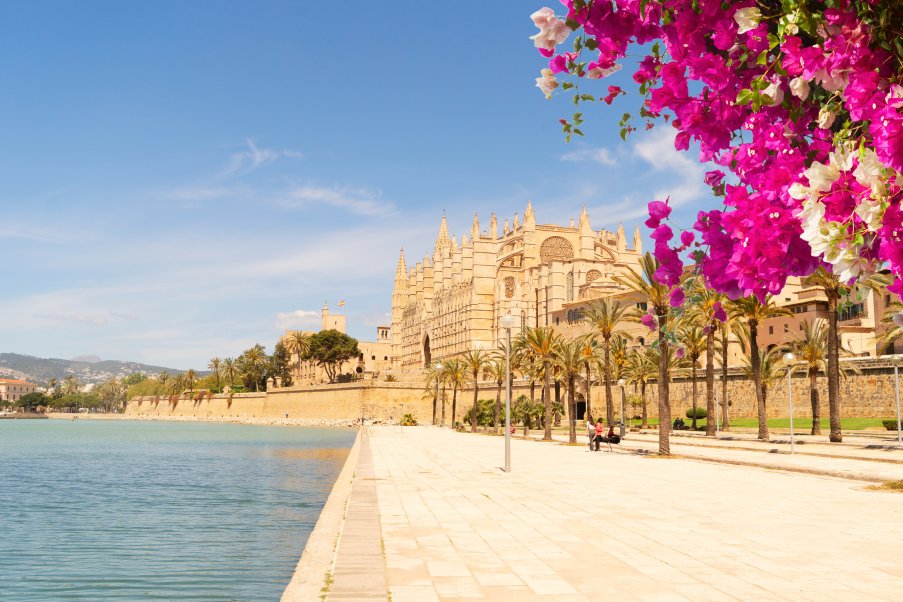
Mallorca, sea, silence, and a luxury that breathes.
Mallorca works as a perfect prologue because the first gesture of the trip should be to allow yourselves to slow down, disconnect from daily life, and connect with a new environment in order to reconnect with yourselves.
Here, luxury is not measured by the agenda, but by the space between plans. Starting the morning without messages on your phone, having breakfast while letting time flow between bites, discovering the Mediterranean diet while the salty air surrounds everything, or experiencing the sound of the pine forest at sunset. Mallorca offers something very simple (and very sophisticated): to consume consciously and observe with a responsible perspective.
Beyond its coves, the island is a mosaic of possibilities. Dry-stone paths in the Serra de Tramuntana, inland villages where time seems to have a different value, markets with local products, and a gastronomic culture that shines when guided by seasonality.
The most responsible version of the trip is built this way, alternating coast and inland, walking whenever possible, choosing low-impact experiences, and reserving moments for craftsmanship, wine, oil, and conversations with those who shape the island.
And for accommodation, what better choice than staying at Mandarin Oriental Punta Negra, Mallorca, turning this first stage of the trip into an authentic Mediterranean experience.
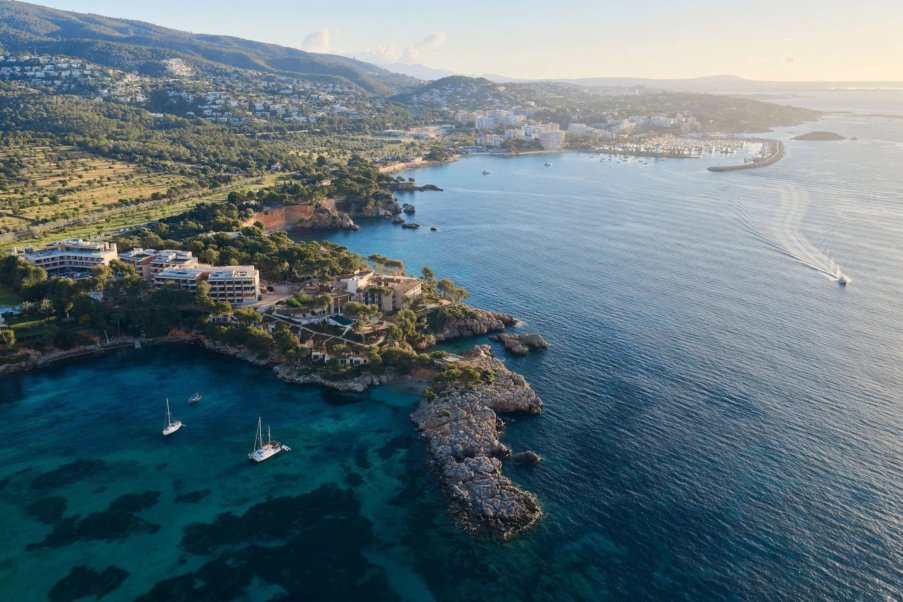
Here, luxury is experienced through comfort and calm. Waking up with light filtering through the gardens, going down to a cove almost as if discovering a secret, having breakfast without hurry, and returning to the water when the day calls for it (not when the clock dictates). Everything invites reconnection with the essentials: the texture of materials, the discretion of service, the feeling of a thoughtfully designed home, and architecture that seems placed to respect its surroundings, the coastal landscape of the Costa d’en Blanes peninsula, in the municipality of Calvià.
From that serenity, the hotel becomes a perfect base to travel “better,” to choose low-impact experiences (walks, viewpoints, sea, and nature), embrace gastronomy that celebrates local and seasonal products, and reserve wellness spaces that prioritize quality over excess.
It is a way of understanding luxury that aligns with sustainability without grand gestures: less noise, more intention, less impulsive consumption, and a more conscious pleasure. In Mallorca, starting the trip this way is almost a declaration of principles.
With the hotel as a refuge, the sustainable plan on the island is not to “do many things,” but to choose a few memorable ones.
- Walk (truly). Set aside a morning without an agenda: coastal walk, viewpoints, and a slow return. The best postcard of the island is not photographed, it is experienced.
- Gastronomy with a sense of place. Ask about seasonal ingredients and local producers; the closer the origin of what you eat, the less logistical history behind it.
- Wellness with coherence. Choose treatments and rituals that do not depend on disposable “extras” (water, oils), but on skilled hands and time. The most sustainable wellness is often the simplest.
- Buy less, buy better. One piece of local craftsmanship or design (and its story) replaces three souvenirs without identity.
In Mallorca, the most sustainable gesture is often also the most elegant. It is about choosing fewer things, doing them slowly, and letting the landscape set the pace. Because here, when the trip is lived calmly, the destination is cared for almost effortlessly.
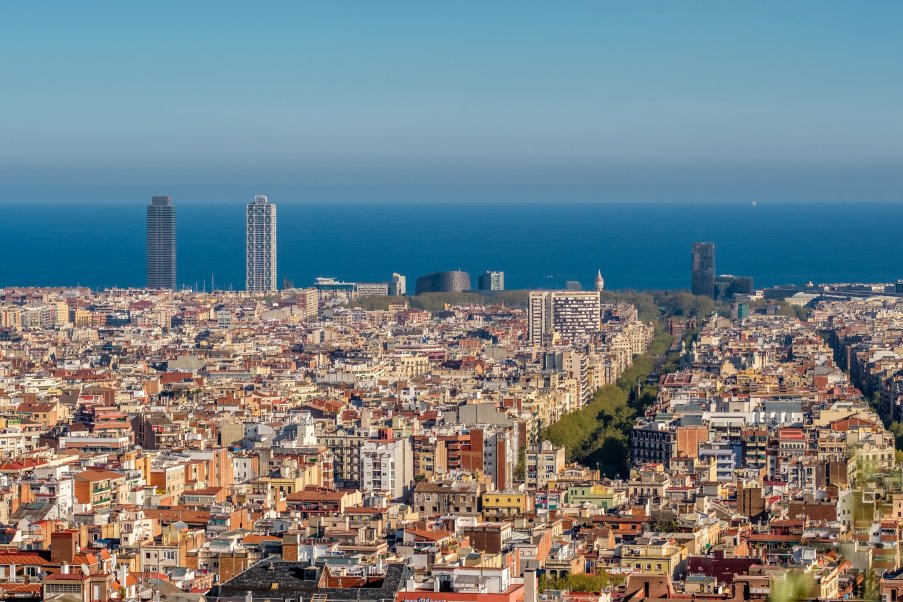
Barcelona, design, culture, and smart decisions.
Barcelona is the perfect contrast after the island calm: a city that blends architecture and sea, urban culture and neighborhood life, contemporary design and great classics.
Here, luxury is not about rushing to capture the best photo for social media, but about refining your perspective, choosing a street and walking it slowly, sitting on a terrace without “watching the clock,” entering a small gallery, returning to a market because today the product is different. From a sustainable perspective, Barcelona is best enjoyed at a human scale. It is experienced on foot, by bike, or by public transport, with an agenda that leaves room for spontaneity.
For this reason, we recommend thinking of the city like a well-built capsule wardrobe: few pieces, but impeccable. A day of modernism in the Eixample, an afternoon of bookstores and workshops, a sunset overlooking the Mediterranean in La Barceloneta, a dinner featuring seasonal products from La Boqueria market. And in between, small decisions that add up, such as supporting local projects, prioritizing durable purchases, choosing more plant-forward menus when desired, and avoiding unnecessary travel. That blend of aesthetics and intention is, probably, the most contemporary way to travel.
And to experience this second stage with the same balance between aesthetics and awareness, the perfect base is the Mandarin Oriental, Barcelona hotel and, if your trip calls for an apartment format, The Residences at Mandarin Oriental, Barcelona.
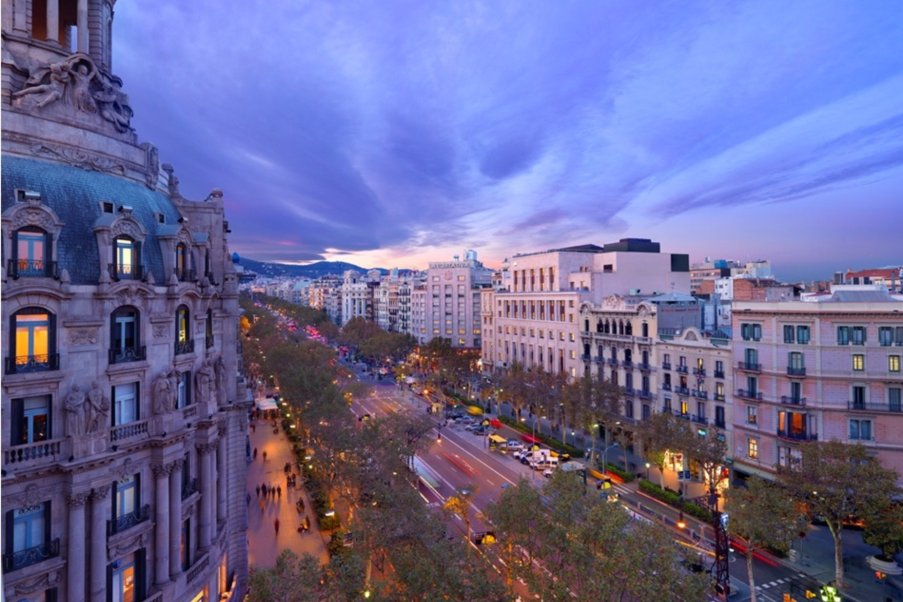
Here, luxury is distinctly urban. The comfort of being at the center of Barcelona’s design scene, the well-crafted silence when you close the door, the feeling of a “refuge” after a day in the city, and the ease of moving around without relying on a car. It is a form of comfort that feels modern because it is grounded in essentials: impeccable rest, tailored wellness, and discreet hospitality that understands Barcelona’s rhythm.
The experience becomes evident when we realize that, in both accommodations, great care is given to what is not visible: efficiency in consumption, waste reduction, a thoughtful selection of suppliers and materials, and daily operations that seek improvement with evidence (not just messages).
It should be noted that, since 2022, this hotel has renewed the Biosphere Certified distinction year after year. And this continuity matters because it is not just about “having a label,” but about maintaining a verifiable and evolving commitment. In an icon such as Mandarin Oriental, Barcelona, in the heart of the city, this approach translates into a more conscious way of operating and a form of hospitality that seeks to reduce impact without compromising comfort. Because sustainability, when it is real, is reviewed, measured, and improved; and its value lies precisely in that level of rigor.
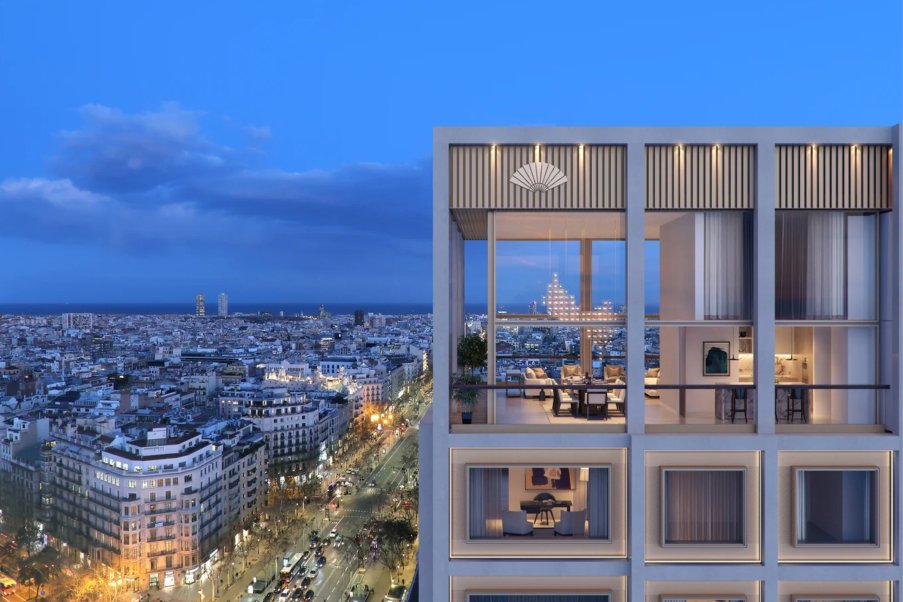
The result is a stay that feels authentic because it invites you to experience the city as it is truly lived: walking, entering small places, choosing carefully, and returning each evening to enjoy comfort that does not compete with Barcelona, but accompanies it.
- A modernist day without extra emissions. Plan a walkable route (Passeig de Gràcia, Eixample, courtyards, and facades). Less transport, more detail.
- Shopping with aesthetic awareness. Prioritize local designers, workshops, and brands that produce nearby. If you love something, ask… where was it made? with what materials? how long will it last?
- Eating well also means choosing well. Look for seasonal products and plant-forward options (more vegetables, more creativity), without sacrificing pleasure.
- The city without “overtourism”. Alternate iconic sites with neighborhoods: markets, bookstores, small galleries, and less crowded cultural offerings.
The key is to experience the city with fewer plans, but better chosen, because when Barcelona is explored calmly, the trip gains in beauty and coherence. It allows for reduced travel, supports local businesses, and fosters a respectful relationship with the city.
And there is another reason to feel that every decision matters here. Barcelona is a leading destination in sustainability and the promotion of responsible tourism. In fact, it is part of the international Biosphere sustainable destinations network and holds the Barcelona Biosphere Certified Platinum Destination distinction, a label that recognizes destinations where public administration and private companies work together to make lifestyles and consumption experiences increasingly sustainable.
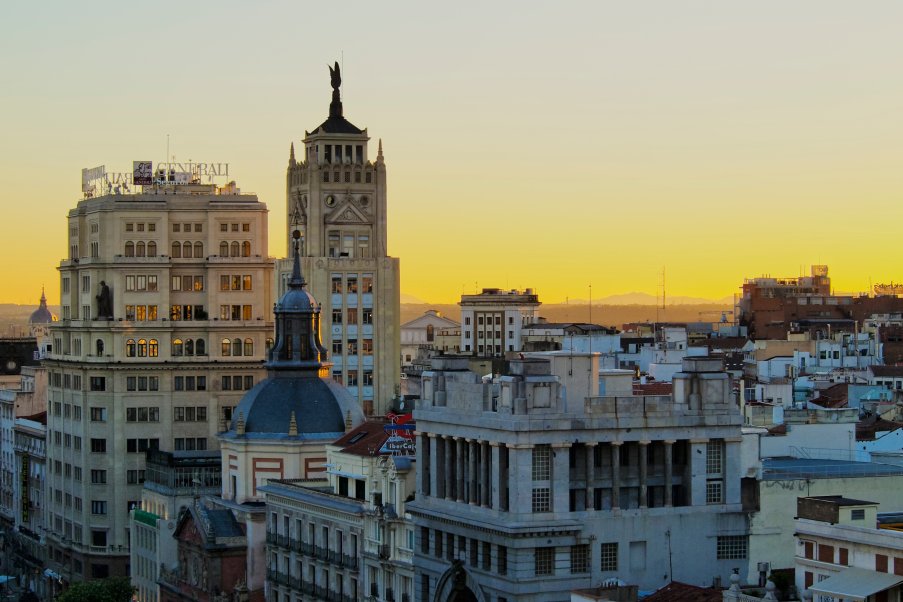
Madrid, art, tradition, and an updated classic.
Madrid completes the triangle of this journey with a powerful idea. Luxury can also be heritage, history, and an elegance that does not need to raise its voice.
It is a city to walk along Paseo de Recoletos, through El Retiro Park, or along any of its five 19th-century boulevards (Marqués de Urquijo, Alberto Aguilera, Carranza, Sagasta, and Génova streets). It is a city to visit its magnificent museums, such as the Prado Museum, Reina Sofía Museum, or Thyssen-Bornemisza Museum. To enjoy its many terraces with long after-meal conversations, or an evening at the Teatro Real, letting the day unfold in layers: art, market, neighborhood, park.
Madrid is best enjoyed when we let go of a predetermined “checklist” and choose a slower version of the city. Less transport, more walking, more local commerce, more lived culture, and less consumed culture.
It is also about historic bookstores, neighborhoods where creativity blends with everyday life, taverns and contemporary dining that reinterpret local products, and a cultural scene that rewards attentive travelers.
Here, sustainability can be as simple as supporting neighborhood projects, prioritizing walking experiences, and choosing durable purchases (a piece of craftsmanship, a book, a beautiful object) that last beyond the trip, instead of fleeting souvenirs.
And in this Madrid of walks and major cultural institutions, Mandarin Oriental Ritz, Madrid fits as a classic piece that has matured over time. A space with history, for both large and small gatherings, with impeccable service, serene beauty, and a concept of comfort that today also includes responsibility.
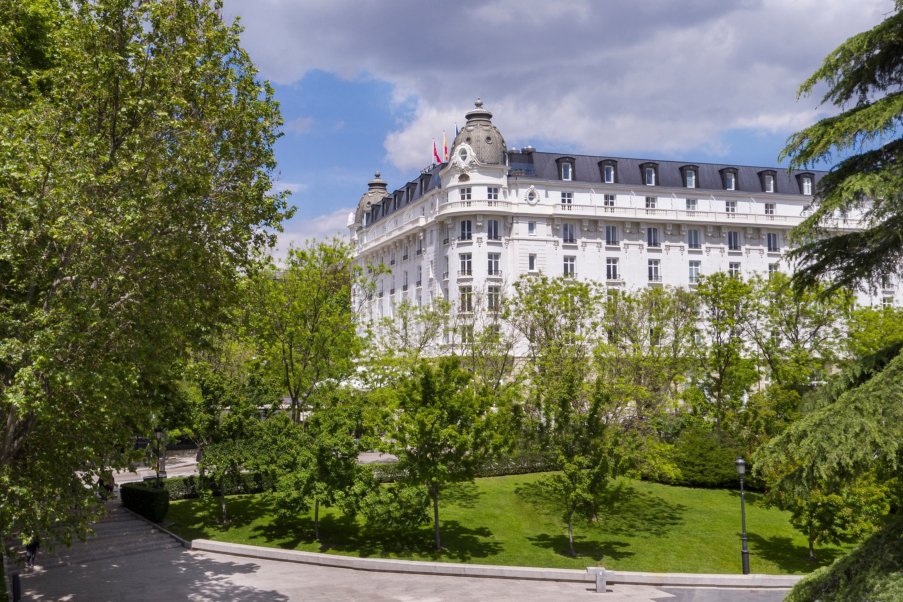
Staying in this hotel means resting in a historic refuge, where silence is well designed and the day organizes itself. A leisurely breakfast before the museum, an elegant pause in the afternoon, a dinner that celebrates product and technique, and the very Madrid pleasure of extending conversation. And doing so in an environment where sustainability lies in what is not visible: how energy and water are managed, how waste is reduced and sorted, how suppliers and materials are selected, and how the team is trained so that excellence aligns with the environment. When all this works, luxury becomes more contemporary: it not only cares for the traveler, but also for the place that hosts them.
- The Art Triangle at a human pace. Plan two mornings of museums and one afternoon of walks through parks and neighborhoods. Avoid “marathons” and gain deeper memories.
- Gastronomy with traceability. Ask about local suppliers and quality products; true sophistication lies in quality (and transparency), not excess.
- Urban wellness. In a fast-paced city, the most sustainable gesture is to recover energy without excess: walking, hydrating, sleeping well, and booking a treatment when truly needed.
- Local impact. Look for plans that distribute value (culture, craftsmanship, neighborhood commerce), experiences that respect the city’s rhythm.
And as a perfect ending, give yourself one last unhurried morning. An early walk, a long coffee, and the feeling that you experienced the city with the same elegance with which valuable things are cared for. In Madrid, sustainable luxury is often simply time well spent.
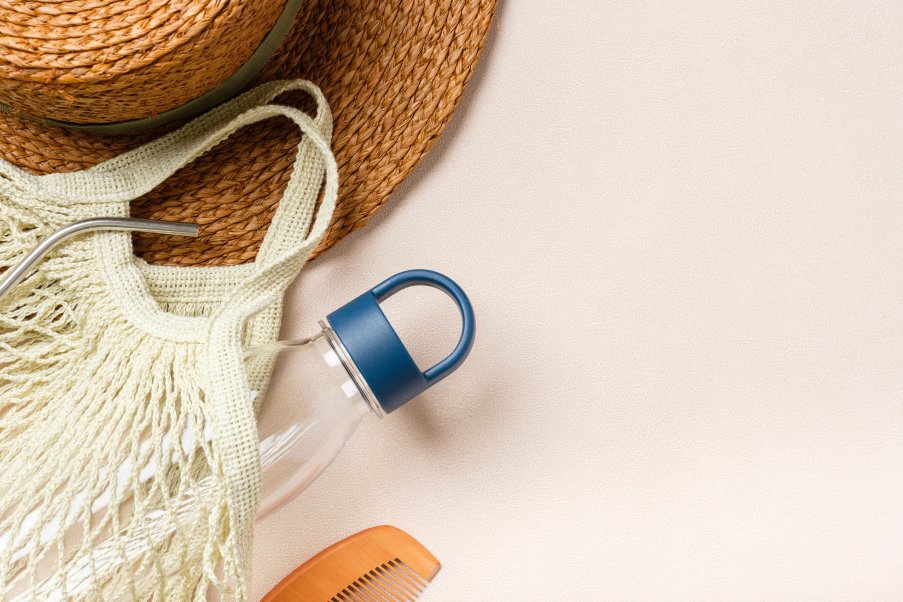
Your Biosphere “kit” for traveling with style (and purpose).
We believe that small gestures, when repeated, become a style. This list is not meant to lecture, but to remind you what makes the difference when you travel. In other words, simple decisions that improve your experience (more comfort, more calm) while reducing impact on the destination.
- Travel light. Less luggage often means fewer impulse purchases and more freedom of movement.
- Refillable bottle, refillable toiletry kit, and a polite “no” to disposable extras.
- Care for water. Short showers, towels on request, and attention to consumption in water-stressed destinations.
- Prioritize efficient mobility. Walking, public transport, and, when appropriate, trains.
- Eat seasonally. Fewer miles, more flavor.
- Choose low-impact experiences. Nature, culture, craftsmanship, walking routes, local workshops.
- Respect marine life and ecosystems. No souvenirs made from shells, corals, or wildlife; avoid invasive activities.
- Buy with intention. One good piece lasts longer than five mediocre ones.
- Reduce waste. Recycle when possible and avoid single-use items, even in snacks and drinks.
- Ask and demand evidence. The best decisions start with a simple question… “How do you measure it?”, “How is it done?”, “Where does it come from?”
Use this “kit” as a flexible checklist. Choose three or four actions to start and add one more on each trip. And remember that sustainability is not about perfection, but about consistency; when we travel with intention, the destination feels it.
Travel less, travel better, travel sustainably.
This itinerary does not aim to “do everything,” but to show that luxury and sustainability are not opposites—they can coexist when the trip is designed with intention.
Mallorca brings you calm, Barcelona inspires with its design, and Madrid reconnects you with art and walking.
The guiding thread is simple: choose accommodations with verifiable commitments, such as those with the Biosphere Certified distinction, consume thoughtfully, and turn every decision, no matter how small, into a way of caring for the destination. In the end, the most exclusive experience is leaving knowing that we were there, we enjoyed it… and we also respected it.
If your idea of “traveling in style” also includes traveling with purpose, this Mallorca–Barcelona–Madrid triangle is a simple way to achieve it. Longer stays, more efficient transportation, local consumption, and a selection of hotels where comfort is not at odds with responsible management. The result is a calmer, more coherent trip, and above all, one that is easier to remember for what it gives you, not what it accumulates.
In addition, in a context where “green” messages abound, having clear frameworks helps distinguish intention from evidence.
In this regard, we emphasize that the Biosphere Certified distinction for companies or the Biosphere Certified distinction for destinations, developed by the Responsible Tourism Institute (RTI), represents a recognition system that connects good practices with the 17 Sustainable Development Goals (SDGs) of the United Nations and promotes continuous improvement with demonstrable results.
In practice, this approach translates sustainability into a comparable and actionable language, closely aligned with ESG logic (Environmental, Social & Governance): environmental impact (energy, water, waste, emissions), social impact (people, community, value chain), and governance (transparency, ethics, and management).
Ultimately, as proposed in this journey that forms a perfect triangle, if we value sustainability and responsible tourism, the key is simple: choose well, ask better questions, and reward those who can clearly explain what they do, how they measure it, and how they improve over time.
Having a recognized label such as Biosphere is a first step, because it provides a framework and methodology; but the real difference lies in the experience—in how that commitment is translated into daily decisions, transparency, and consistency.
In the end, the most modern luxury is not only the one that takes care of you, but also the one that takes care of the place you visit.
Photos Mandarin Oriental Hotels: Mandarin Oriental Group


